
Rock Climbing in Hunza Valley- Lady Finger 6,000-M
Tour Category
Group Size
Duration
From
OVERVIEW & ITINERARY
Rock Climbing in Hunza Valley Pakistan – Karakoram Alpine Climbing Expedition
Rock Climbing in Hunza Valley is one of the most remarkable alpine climbing experiences in the Karakoram range of northern Pakistan. Known for its dramatic granite spires, steep rock walls, and breathtaking mountain scenery, Hunza Valley has become an emerging destination for international climbers seeking technical rock climbing, big wall routes, and exploratory alpine ascents.
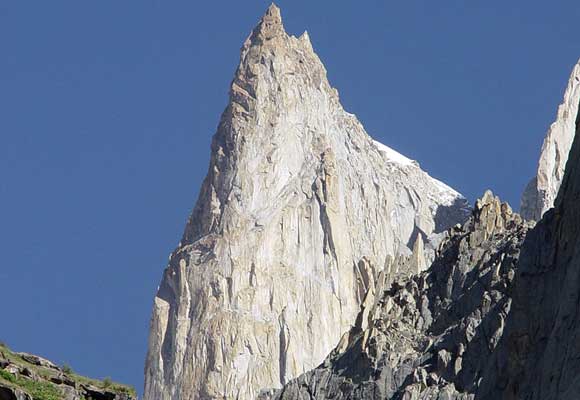
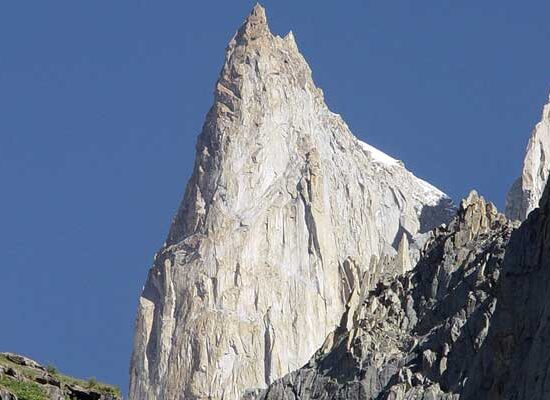
Unlike heavily commercialized climbing regions around the world, Hunza Valley offers a raw and authentic mountaineering environment. Towering peaks such as Ultar Sar, Ladyfinger Peak, and the Passu Cones dominate the skyline, creating a natural arena for serious climbers and expedition teams.
The Rock Climbing in Hunza Valley expedition organized by Adventure Pakistan is designed for experienced climbers who want to explore technical routes, improve alpine skills, and experience the untouched beauty of the Karakoram mountains.
Hunza Valley Rock Climbing Dates, Cost & Packages
Start |
End |
Status |
Price |
Deposit |
Registration |
|---|---|---|---|---|---|
21 Jun |
15 Jul |
Guaranteed |
US$3,100 |
US$500 |
|
21 Jun |
15 Jul |
Guaranteed |
US$3,100 |
US$500 |
Overview of Hunza Valley Rock Climbing Region
Hunza Valley, located in Gilgit-Baltistan, Pakistan, lies at the heart of the Karakoram mountain system. It is globally recognized for its dramatic vertical relief, granite formations, and close proximity to some of the world’s highest peaks.
The climbing environment here includes steep granite walls, mixed alpine terrain, glacier approaches, and technical ridgelines. The region offers both established climbing routes and vast unexplored terrain, making it ideal for expedition-style climbing and first ascent opportunities.
Rock Climbing in Hunza Valley is not limited to one specific peak but rather a combination of multiple climbing zones including Passu, Ultar Glacier region, and Rakaposhi viewpoints, each offering unique technical challenges.
Why Rock Climbing in Hunza Valley is Important
The significance of Rock Climbing in Hunza Valley lies in its combination of accessibility and extreme alpine terrain. Few places in the world offer such close access to world-class granite peaks without requiring long expedition approaches.
Hunza has gradually gained recognition in the global climbing community due to its potential for new route development, traditional climbing, and alpine big wall exploration. Many international climbers consider it one of the last great frontiers of unexplored rock climbing.
The region also plays an important role in promoting adventure tourism in Pakistan, supporting local communities while showcasing the natural beauty of the Karakoram mountains.
Adventure Pakistan Rock Climbing Services in Hunza Valley
Adventure Pakistan specializes in organizing professional climbing expeditions across the Karakoram, Himalaya, and Hindu Kush ranges. The Rock Climbing in Hunza Valley expedition is supported by complete logistical planning, safety coordination, and field expertise.
Services include expedition permits, transportation, accommodation, base camp management, climbing logistics, safety support, and communication systems. Climbers benefit from structured expedition planning that allows them to focus entirely on technical climbing objectives.
Adventure Pakistan ensures that every expedition is conducted with high safety standards, environmental responsibility, and respect for local culture and mountain ecosystems.
Why Choose Adventure Pakistan for Hunza Valley Climbing
Choosing Adventure Pakistan for Rock Climbing in Hunza Valley provides climbers with the advantage of local expertise combined with international expedition standards. The company has extensive experience operating in remote mountain environments across northern Pakistan.
Key advantages include professional logistics management, experienced local staff, strong safety protocols, and deep knowledge of Karakoram climbing conditions. This ensures a smooth and well-supported expedition experience from arrival to departure.
Adventure Pakistan also focuses on sustainable tourism, ensuring that expeditions positively contribute to local communities and preserve the natural environment of Hunza Valley.
Hunza Valley Rock Climbing Itinerary Overview
Day 1 – Arrival in Islamabad
Arrival at Islamabad International Airport, meet Adventure Pakistan team, hotel transfer, expedition briefing and rest.
Day 2 – Equipment Check and Briefing
Final gear inspection, safety briefing, route overview for Rock Climbing in Hunza Valley expedition Pakistan.
Day 3 – Travel to Gilgit
Fly or drive via Karakoram Highway depending on weather conditions, scenic mountain journey begins.
Day 4 – Arrival in Hunza Valley
Transfer to Karimabad or Passu, acclimatization and expedition preparation begins.
Day 5 – Rest and Local Acclimatization
Light hikes around Hunza Valley, altitude adaptation and cultural orientation.
Day 6 – Gear Organization and Route Planning
Organize climbing equipment and finalize objectives for upcoming climbing phases.
Day 7 – Acclimatization Hike
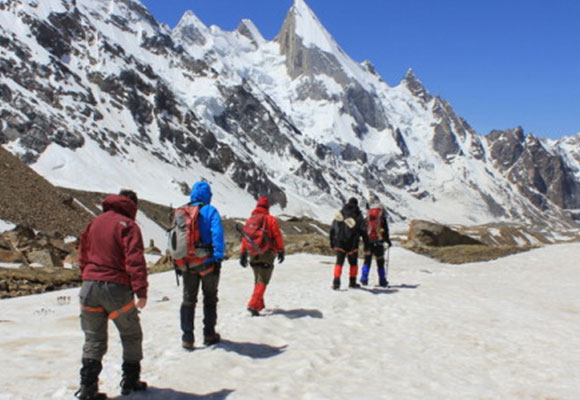
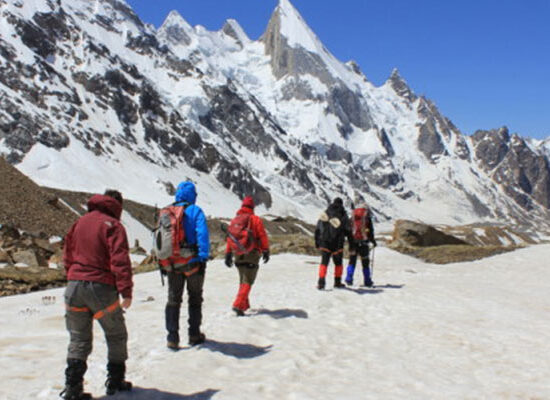
Short hike toward glacier viewpoints and surrounding alpine terrain.
Day 8 – Technical Training Session
Practice rope systems, anchors, belaying, and safety procedures.
Day 9 – Approach Trek Start
Begin trek toward selected climbing base area in Hunza Valley region.
Day 10 – Trek to Base Camp Zone
Continue approach through alpine valleys and glacier-fed landscapes.
Day 11 – Establish Base Camp
Set up base camp, organize logistics, and prepare climbing systems.
Day 12 – Acclimatization and Reconnaissance
Explore nearby rock formations and identify climbing routes.
Day 13 – Route Scouting Day
Assess granite walls, climbing lines, and technical difficulty levels.
Day 14 – Rest and Weather Monitoring
Recovery day and weather analysis for climbing window planning.
Day 15 – First Climbing Rotation
Begin technical rock climbing on selected Hunza Valley routes.
Day 16 – Continued Climbing Activity
Multi-pitch climbing and route development progress.
Day 17 – Exploration Climb
Attempt new or partially unexplored climbing routes.
Day 18 – Base Camp Rest Day
Physical recovery, gear maintenance, and planning adjustments.
Day 19 – Second Climbing Push
Resume climbing operations with improved acclimatization.
Day 20 – Technical Climbing Day
High-difficulty rock climbing on steep granite formations.
Day 21 – Main Objective Attempt
Attempt primary climbing objective or summit route.
Day 22 – Descent to Base Camp
Safe return from climbing routes to base camp.
Day 23 – Contingency Climbing Day
Buffer day for weather delays or additional climbing attempts.
Day 24 – Pack Down Base Camp
Dismantle camp and prepare for return trek to Hunza Valley roadhead.
Day 25 – Return to Gilgit and Islamabad
Travel back via road or flight depending on weather conditions.
Day 26 – International Departure
Transfer to airport for departure, expedition completion and farewell.
Detailed Itinerary – Arrival to Base Camp
The Rock Climbing in Hunza Valley expedition begins with arrival in Islamabad, where climbers meet the Adventure Pakistan team for briefing and preparation. This includes gear inspection, permit processing, and final planning for the journey ahead.
From Islamabad, the expedition continues toward Gilgit and Hunza Valley via domestic flight or the Karakoram Highway. This journey offers spectacular views of deep valleys, river systems, and towering peaks of the Karakoram range.
Upon reaching Hunza, climbers are transferred to key base locations such as Karimabad or Passu depending on climbing objectives. These areas serve as staging points for acclimatization and route preparation.
The approach to climbing zones involves gradual trekking, allowing climbers to adapt to altitude while exploring granite formations and glacier-fed valleys. Base camps are established in strategic locations depending on selected climbing objectives.
Acclimatization and Expedition Preparation in Hunza Valley
Acclimatization is a critical phase of the Rock Climbing in Hunza Valley expedition. Although the region is more accessible than remote Karakoram expeditions, altitude still plays a significant role in physical performance and safety.
Climbers participate in structured acclimatization hikes around Hunza Valley, exploring viewpoints such as Baltit Fort surroundings, Passu Glacier areas, and Ultar base approaches.
During this phase, teams also conduct technical training sessions, including rope handling, anchor systems, and safety drills to ensure readiness for alpine rock climbing conditions.
Proper preparation allows climbers to transition smoothly into technical climbing phases while minimizing altitude-related risks and improving overall expedition efficiency.
Logistics and Access for Rock Climbing in Hunza Valley
Hunza Valley is one of the most accessible high-altitude climbing regions in Pakistan, connected by both air and road networks. The Karakoram Highway provides a scenic overland route from Islamabad to Hunza, passing through dramatic mountain landscapes.
Depending on weather conditions, domestic flights from Islamabad to Gilgit may also be used, significantly reducing travel time. From Gilgit, a short drive leads directly into Hunza Valley.
Once in Hunza, Adventure Pakistan manages all onward logistics including transport to climbing access points, equipment transfers, and coordination with local support teams.
Natural Importance of Hunza Valley for Rock Climbing
Hunza Valley is often described as one of the most visually stunning mountain regions in the world. Its combination of granite spires, snow-covered peaks, and glacier systems creates a perfect environment for alpine rock climbing.
The region’s geological structure offers excellent climbing surfaces, especially for traditional climbing and multi-pitch alpine routes. The dramatic vertical relief provides both technical challenge and aesthetic appeal for climbers and photographers alike.
From Passu Cones to Ultar Sar and Ladyfinger Peak, the valley represents a natural climbing laboratory for exploration, skill development, and high-altitude adventure.
Transition to Full Expedition Phase
After completion of arrival, acclimatization, and preparation phases, climbers transition into full expedition mode. This includes selecting climbing objectives, establishing base camps, and beginning technical rock climbing rotations.
In the next phases of the expedition, climbers will engage in advanced route exploration, multi-pitch climbing, and potential first ascents depending on team goals and weather conditions.
Rock Climbing in Hunza Valley offers a rare combination of accessibility, technical challenge, and alpine beauty, making it one of the most exciting climbing destinations in the Karakoram region.
Base Camp Life During Rock Climbing in Hunza Valley
Base camp life during Rock Climbing in Hunza Valley is a balanced mix of technical preparation, acclimatization, and immersive alpine living. Unlike remote expedition regions deep in the Karakoram, Hunza Valley allows climbers to experience both comfort and wilderness within a short distance.
Base camps are strategically established near climbing zones such as Passu Glacier, Ultar Sar approaches, or surrounding granite formations. These camps serve as operational hubs for planning daily climbs, monitoring weather conditions, and organizing equipment.
Daily routines include equipment checks, hydration management, route discussions, and recovery sessions. Climbers often spend evenings reviewing climbing strategies while surrounded by dramatic views of peaks such as Ladyfinger Peak and Rakaposhi.
Acclimatization Process in Hunza Valley Rock Climbing Expedition
Acclimatization in Rock Climbing in Hunza Valley is essential for safe and efficient performance at altitude. Even though Hunza is more accessible than higher Karakoram zones, many climbing objectives still exceed significant elevation thresholds.
Climbers follow a gradual acclimatization plan involving short hikes, glacier walks, and progressive elevation gain. These activities help the body adapt to reduced oxygen levels and improve endurance for technical climbing.
Adventure Pakistan ensures structured acclimatization days are included before major climbing rotations begin, reducing the risk of altitude sickness and enhancing overall expedition success.
Climbing Strategy for Hunza Valley Rock Climbing
The climbing strategy in Hunza Valley is based on a combination of exploration, technical precision, and weather adaptability. Teams often divide objectives into reconnaissance, practice climbs, and full ascent attempts.
Depending on the chosen routes, climbers may engage in traditional climbing, multi-pitch rock climbing, and alpine mixed terrain navigation. Each objective requires careful planning due to changing rock conditions and glacier proximity.
Flexibility is essential, as weather and mountain conditions can shift rapidly in the Karakoram region, requiring real-time adjustments to climbing plans.
Route Planning and Technical Objectives
Route planning is a core component of the Rock Climbing in Hunza Valley expedition. Climbers analyze rock faces, identify potential lines, and assess safety conditions before attempting ascents.
Many routes in Hunza Valley remain partially explored, offering opportunities for first ascents and new route development. This makes the region especially attractive to experienced climbers seeking exploratory challenges.
Adventure Pakistan provides local knowledge and logistical support to assist teams in selecting suitable climbing objectives based on skill level and environmental conditions.
Weather Challenges in Hunza Valley Climbing Expeditions
Weather plays a decisive role in Rock Climbing in Hunza Valley. Although the region benefits from relatively stable summer conditions, the Karakoram climate is inherently unpredictable.
Climbers may experience sudden temperature drops, strong winds, or unexpected cloud formations affecting visibility and rock conditions. Afternoon weather shifts are common in alpine zones.
Daily weather monitoring is essential for safe decision-making, and climbing schedules are adjusted accordingly to maximize safe climbing windows.
Safety Measures and Risk Management
Safety is a top priority during the Rock Climbing in Hunza Valley expedition. Adventure Pakistan implements structured safety protocols including route assessment, equipment checks, and emergency planning.
Climbers are trained in self-rescue techniques, anchor building, and rope management to handle technical challenges in alpine environments.
Emergency communication systems and evacuation plans are established to ensure rapid response in case of unforeseen incidents.
Local Culture and Community Interaction in Hunza Valley
Hunza Valley is known for its welcoming communities and rich cultural heritage. During the Rock Climbing in Hunza Valley expedition, climbers often interact with local guides, porters, and villagers.
These interactions provide insight into traditional mountain lifestyles, agricultural practices, and historical trade routes that have shaped the region for centuries.
Respectful engagement with local communities enhances the overall expedition experience and supports sustainable tourism development in northern Pakistan.
Natural Beauty and Climbing Environment
The natural beauty of Hunza Valley is one of its defining characteristics. Towering peaks, turquoise rivers, and vast glaciers create a breathtaking environment for rock climbing expeditions.
Climbers are constantly surrounded by iconic landscapes such as Passu Cones, Ultar Sar, and Rakaposhi, making every climbing day visually rewarding.
The combination of granite walls and alpine scenery makes Hunza Valley one of the most photogenic climbing destinations in the Karakoram.
Higher Camp Operations and Climbing Progression
Depending on the selected objectives, higher camps may be established to support extended climbing routes. These camps allow climbers to position themselves closer to technical sections of rock faces.
Higher camp operations involve carrying equipment, food supplies, and climbing gear while maintaining strict safety and environmental standards.
From these advanced positions, climbers execute multi-pitch ascents and longer technical routes before returning to base camp.
Summit Attempts and Objective Completion
The final phase of Rock Climbing in Hunza Valley involves summit attempts or completion of designated technical climbing objectives.
Success depends on weather conditions, route stability, and team readiness. Climbers often wait for optimal weather windows before committing to major ascents.
Each successful climb contributes to personal achievement as well as the broader exploration of Hunza Valley’s untapped climbing potential.
Descent Strategy and Return to Base
Descent strategy is carefully planned to ensure safe return from climbing routes. Rappelling systems, route reversal techniques, and backup safety measures are used to navigate back to base camp.
Climbers prioritize controlled descent over speed, ensuring safety at every stage of the return journey.
Once back at base camp, teams begin recovery, equipment maintenance, and preparation for final expedition phases.
Expedition Highlights of Rock Climbing in Hunza Valley
Rock Climbing in Hunza Valley delivers a rare combination of technical alpine climbing, dramatic Karakoram scenery, and exploratory adventure. One of the most significant highlights of the expedition is the diversity of climbing terrain within a relatively compact region.
From steep granite spires near Passu to the massive walls beneath Ultar Sar, climbers experience multiple styles of alpine rock climbing within a single expedition. This diversity makes Hunza Valley a training ground and exploration zone for advanced climbers.
Another highlight is the opportunity for new route development. Many walls remain partially explored, offering climbers the chance to contribute directly to the modern climbing history of the Karakoram.
Adventure Experiences in Hunza Valley Karakoram Region
The expedition is not limited to climbing alone. The journey through Hunza Valley offers a full adventure experience that includes travel along the Karakoram Highway, glacier approaches, and immersive mountain living.
Climbers experience a gradual transition from modern infrastructure to remote alpine terrain, creating a deep sense of exploration and detachment from everyday life.
Even rest days are filled with exploration opportunities, including short hikes, viewpoint visits, and glacier walks that reveal the scale and beauty of the Karakoram mountains.
Photography Opportunities During Rock Climbing in Hunza Valley
Hunza Valley is widely regarded as one of the most photogenic mountain regions in the world. The combination of granite peaks, turquoise rivers, and dramatic light conditions creates exceptional photography opportunities.
Sunrise and sunset light on Passu Cones and Ultar Sar produce striking color contrasts that attract landscape photographers from around the globe.
Climbing documentation also plays an important role, capturing technical ascents, rope systems, and expedition life against a backdrop of towering alpine scenery.
Mountaineering Documentation and Route Recording
Documentation is a key component of Rock Climbing in Hunza Valley. Climbers are encouraged to record routes, take GPS references, and document rock conditions for future expeditions.
This information contributes to the growing knowledge base of climbing in the Karakoram and helps future teams plan safe and efficient ascents.
Adventure Pakistan supports documentation efforts by assisting with logistics, local knowledge, and coordination of expedition reporting.
Team Dynamics and Leadership in Alpine Climbing
Successful Rock Climbing in Hunza Valley expeditions depend heavily on strong team dynamics and effective leadership. Climbers must work together in high-stress environments where communication and trust are essential.
Leadership roles may shift depending on terrain, with different climbers taking responsibility for route finding, safety checks, or technical leads during ascents.
Team cohesion is strengthened through shared objectives, consistent communication, and mutual support during challenging climbing conditions.
Training and Preparation for Hunza Valley Rock Climbing
Proper preparation is essential for success in Rock Climbing in Hunza Valley. Climbers are expected to have strong experience in multi-pitch climbing, rope systems, and alpine terrain navigation.
Training programs often include endurance conditioning, strength training, and technical climbing practice on natural or artificial rock walls prior to the expedition.
Physical and mental preparation ensures climbers can handle long approach hikes, vertical exposure, and unpredictable mountain conditions.
Required Equipment for Rock Climbing in Hunza Valley
Essential equipment for the expedition includes helmets, harnesses, dynamic ropes, protection gear, climbing shoes, and alpine clothing systems designed for variable weather conditions.
Layering systems are particularly important due to temperature fluctuations between valley floors and high-altitude climbing zones.
Additional gear such as communication devices, hydration systems, and emergency equipment enhances safety and efficiency during the expedition.
Nutrition and Full Board Services by Adventure Pakistan
Proper nutrition is critical for sustained performance during Rock Climbing in Hunza Valley. Adventure Pakistan provides full board services designed to meet the high energy demands of alpine climbing.
Meals are carefully planned to include balanced carbohydrates, proteins, and hydration support to maintain stamina during climbing days.
Food services at base camp ensure climbers can recover effectively between climbing rotations and maintain peak physical condition throughout the expedition.
Environmental Responsibility and Sustainable Tourism
Hunza Valley is a fragile alpine environment that requires careful environmental stewardship. Adventure Pakistan promotes responsible climbing practices to minimize ecological impact.
Climbers are required to follow Leave No Trace principles, including proper waste management and respect for natural surroundings.
Sustainable tourism also supports local communities by creating economic opportunities while preserving the cultural and environmental integrity of the region.
Mental Resilience in Rock Climbing Expeditions
Mental strength plays a crucial role in the success of Rock Climbing in Hunza Valley. Climbers often face uncertainty, exposure, and physically demanding conditions.
Decision-making under pressure, patience during weather delays, and focus during technical climbs are essential psychological skills.
The expedition often becomes a journey of personal growth, building resilience and confidence in high-altitude environments.
Challenges Faced During the Expedition
Challenges in Hunza Valley include unpredictable weather, technical climbing difficulty, altitude effects, and logistical complexity in remote terrain.
Rock conditions may vary depending on temperature and exposure, requiring constant adaptation of climbing strategies.
Despite these challenges, the rewards of successful ascents and exploration make the expedition highly fulfilling for experienced climbers.
Celebrating Achievements and Expedition Success
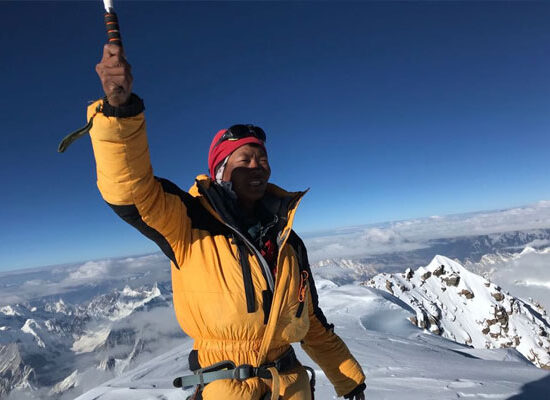
Every successful climb in Hunza Valley represents a significant achievement in both technical skill and personal endurance.
Teams often celebrate successful ascents at base camp, reflecting on challenges overcome and routes completed.
These moments contribute to long-lasting memories and strengthen team bonds formed during the expedition.
Legacy of Rock Climbing in Hunza Valley
Hunza Valley continues to build its reputation as a premier global destination for alpine rock climbing and exploration.
Each expedition contributes to the growing legacy of first ascents, route development, and international climbing recognition in the Karakoram.
The region is increasingly seen as a frontier for modern alpine exploration.
Adventure Pakistan Expertise and Services
Adventure Pakistan provides professional expedition support across all stages of Rock Climbing in Hunza Valley, from planning to execution and post-expedition logistics.
With strong local expertise and operational experience in the Karakoram, the company ensures safe, efficient, and well-supported climbing expeditions.
Climbers benefit from structured logistics, safety coordination, and deep regional knowledge that enhances both performance and safety.
Travel Logistics and Access for Rock Climbing in Hunza Valley
Rock Climbing in Hunza Valley begins with arrival in Islamabad, where Adventure Pakistan provides full expedition coordination, briefing, and final preparation support. This stage includes equipment verification, route discussions, and safety orientation before travel to the Karakoram region.
From Islamabad, climbers travel toward Gilgit either by domestic flight or via the Karakoram Highway. The highway journey is one of the most scenic road routes in the world, passing deep gorges, rivers, and towering mountain landscapes.
From Gilgit, the expedition continues into Hunza Valley, reaching key bases such as Karimabad, Passu, or nearby climbing access zones depending on expedition objectives. These locations serve as staging points for acclimatization and logistics planning.
Final access to climbing areas involves short treks into glacier-fed valleys and granite climbing zones, where base camps are established for technical climbing operations.
Acclimatization and Health Considerations in Hunza Valley
Although Hunza Valley is more accessible than deep Karakoram expedition zones, acclimatization remains essential for safe and efficient climbing performance.
Climbers gradually adapt through hiking, exploration walks, and controlled elevation gain around Passu Glacier, Ultar approaches, and surrounding valleys.
Hydration, nutrition, and rest are carefully managed to reduce altitude-related risks and maintain climbing efficiency throughout the expedition.
Weather Patterns and Seasonal Planning for Hunza Valley Climbing
The best season for Rock Climbing in Hunza Valley is typically summer, when weather conditions are relatively stable and access routes are clear.
However, the Karakoram climate remains unpredictable, with sudden wind changes, cloud buildup, and temperature fluctuations affecting climbing conditions.
Morning hours are generally more stable for climbing, while afternoons may bring weather variability requiring flexible planning and route adjustments.
Cultural Immersion and Local Experiences in Hunza Valley
Hunza Valley is known for its rich cultural heritage, hospitality, and mountain lifestyle. During the expedition, climbers interact with local communities, guides, and support teams.
These interactions offer insights into traditional architecture, agriculture, and the historical significance of trade routes in the Karakoram region.
Respectful engagement with local culture enhances the expedition experience and supports sustainable tourism development in northern Pakistan.
Environmental Responsibility in Rock Climbing Expeditions
Environmental protection is a core principle of Rock Climbing in Hunza Valley. Climbers are required to follow Leave No Trace principles throughout the expedition.
This includes proper waste management, minimizing campsite impact, and respecting fragile alpine ecosystems surrounding granite climbing zones and glacier areas.
Adventure Pakistan actively promotes responsible tourism practices to preserve the natural beauty and ecological balance of Hunza Valley.
Safety Measures and Emergency Protocols
Safety is a top priority during Rock Climbing in Hunza Valley due to the technical nature of routes and alpine exposure.
Daily safety checks, weather monitoring, and route assessments are conducted to ensure informed decision-making at every stage of the expedition.
Emergency protocols include evacuation planning, communication systems, and coordination with local support networks when required.
Equipment and Technical Skills Required
Participants must possess strong technical rock climbing experience, including multi-pitch climbing, anchor building, rope systems, and alpine navigation skills.
Essential equipment includes helmets, harnesses, ropes, protection gear, climbing shoes, and weather-appropriate alpine clothing systems.
Additional safety equipment such as communication devices and emergency supplies may also be required depending on expedition objectives.
Post-Expedition Recovery and Reflection
After completing Rock Climbing in Hunza Valley, climbers return to Gilgit and Islamabad for rest, recovery, and departure procedures.
This phase allows time to reflect on achievements, document experiences, and recover physically after demanding alpine climbing activities.
Many climbers leave with enhanced technical skills, stronger mental resilience, and unforgettable memories of the Karakoram mountains.
Frequently Asked Questions (General)
1. Where is Hunza Valley located?
Hunza Valley is located in Gilgit-Baltistan, northern Pakistan, within the Karakoram mountain range.
2. What is Rock Climbing in Hunza Valley known for?
It is known for granite spires, alpine climbing routes, and stunning mountain scenery.
3. Is this expedition suitable for beginners?
No, it is designed for experienced climbers only.
4. What type of climbing is involved?
Multi-pitch rock climbing, alpine climbing, and traditional climbing.
5. What is the best season?
Summer is the most suitable climbing season.
6. How long is the expedition?
It is typically around 26 days.
7. Are permits required?
Yes, official climbing permits are required.
8. What level of fitness is required?
High-level endurance and technical climbing fitness are required.
9. Is emergency support available?
Limited support exists due to remote terrain, but protocols are in place.
10. Why is Hunza Valley important for climbing?
It is one of the world’s most scenic and technically valuable alpine climbing regions.
Adventure Pakistan FAQs for Hunza Valley Expedition
1. Does Adventure Pakistan manage logistics?
Yes, full expedition logistics are provided.
2. Are meals included?
Yes, full board meal services are included.
3. Is local support available?
Yes, experienced local teams assist throughout the expedition.
4. Can private expeditions be arranged?
Yes, customized climbing programs are available.
5. Is safety a priority?
Yes, safety is the highest priority.
6. Is gear guidance provided?
Yes, complete equipment lists are shared in advance.
7. Can international climbers join?
Yes, climbers from around the world are welcome.
8. Are emergency systems in place?
Yes, structured emergency protocols are implemented.
9. Why choose Adventure Pakistan?
Because of strong local expertise and professional expedition management.
10. What makes this expedition unique?
Its combination of accessibility, granite climbing, and Karakoram scenery.
Why Choose Adventure Pakistan for Rock Climbing in Hunza Valley
Adventure Pakistan is a leading expedition operator specializing in high-altitude trekking and rock climbing across northern Pakistan. The company provides complete logistical support, safety coordination, and expert local knowledge.
With years of experience operating in the Karakoram region, Adventure Pakistan ensures safe, efficient, and professionally managed climbing expeditions for international teams.
The company’s commitment to sustainability, safety, and client satisfaction makes it a trusted partner for alpine climbing in Hunza Valley.
Supported by Adventure Pakistan, climbers gain access to professional logistics, safety systems, and local expertise that ensure a world-class expedition experience from start to finish.
Contact Adventure Pakistan today to plan your Rock Climbing in Hunza Valley expedition and experience one of the most iconic climbing destinations in Pakistan.
ITINERARY
WHAT'S INCLUDED
- Airport pick and drop in Islamabad
- Domestic flight (Islamabad–Skardu–Islamabad) if included in package
- All ground transportation during the expedition
- Hotel accommodation in Islamabad and Skardu (twin sharing)
- Full board meals during the expedition (breakfast, lunch, dinner, tea, snacks)
- Base camp setup with tents, kitchen, and dining facilities
- Professional expedition cook and support staff
- Experienced local guides and logistics team
- Porter support for carrying expedition gear
- Required permits and expedition paperwork
- Basic first aid and emergency coordination support
- Communication support during the expedition
- Environmental and waste management support
- Pre-expedition briefing and assistance
- Certificate of participation from Adventure Pakistan
WHAT'S NOT INCLUDED
- International flights to/from Pakistan
- Pakistan visa fees
- Travel, medical, and rescue insurance
- Personal climbing and technical gear
- Sleeping bag, clothing, boots, harness, helmet, ropes, etc.
- Extra hotel nights due to delays or personal reasons
- Personal expenses (laundry, drinks, phone, internet, etc.)
- Tips for staff and porters
- Emergency evacuation or rescue costs
- Any expenses not mentioned in “What’s Included”
ROUTE MAP
Rock Climbing in Hunza Valley Pakistan – Karakoram Alpine Climbing Expedition
Rock Climbing in Hunza Valley is one of the most remarkable alpine climbing experiences in the Karakoram range of northern Pakistan. Known for its dramatic granite spires, steep rock walls, and breathtaking mountain scenery, Hunza Valley has become an emerging destination for international climbers seeking technical rock climbing, big wall routes, and exploratory alpine ascents.
Unlike heavily commercialized climbing regions around the world, Hunza Valley offers a raw and authentic mountaineering environment. Towering peaks such as Ultar Sar, Ladyfinger Peak, and the Passu Cones dominate the skyline, creating a natural arena for serious climbers and expedition teams.
The Rock Climbing in Hunza Valley expedition organized by Adventure Pakistan is designed for experienced climbers who want to explore technical routes, improve alpine skills, and experience the untouched beauty of the Karakoram mountains.
Hunza Valley Rock Climbing Dates, Cost & Packages
Start |
End |
Status |
Price |
Deposit |
Registration |
|---|---|---|---|---|---|
21 Jun |
15 Jul |
Guaranteed |
US$3,100 |
US$500 |
|
21 Jun |
15 Jul |
Guaranteed |
US$3,100 |
US$500 |
Overview of Hunza Valley Rock Climbing Region
Hunza Valley, located in Gilgit-Baltistan, Pakistan, lies at the heart of the Karakoram mountain system. It is globally recognized for its dramatic vertical relief, granite formations, and close proximity to some of the world’s highest peaks.
The climbing environment here includes steep granite walls, mixed alpine terrain, glacier approaches, and technical ridgelines. The region offers both established climbing routes and vast unexplored terrain, making it ideal for expedition-style climbing and first ascent opportunities.
Rock Climbing in Hunza Valley is not limited to one specific peak but rather a combination of multiple climbing zones including Passu, Ultar Glacier region, and Rakaposhi viewpoints, each offering unique technical challenges.
Why Rock Climbing in Hunza Valley is Important
The significance of Rock Climbing in Hunza Valley lies in its combination of accessibility and extreme alpine terrain. Few places in the world offer such close access to world-class granite peaks without requiring long expedition approaches.
Hunza has gradually gained recognition in the global climbing community due to its potential for new route development, traditional climbing, and alpine big wall exploration. Many international climbers consider it one of the last great frontiers of unexplored rock climbing.
The region also plays an important role in promoting adventure tourism in Pakistan, supporting local communities while showcasing the natural beauty of the Karakoram mountains.
Adventure Pakistan Rock Climbing Services in Hunza Valley
Adventure Pakistan specializes in organizing professional climbing expeditions across the Karakoram, Himalaya, and Hindu Kush ranges. The Rock Climbing in Hunza Valley expedition is supported by complete logistical planning, safety coordination, and field expertise.
Services include expedition permits, transportation, accommodation, base camp management, climbing logistics, safety support, and communication systems. Climbers benefit from structured expedition planning that allows them to focus entirely on technical climbing objectives.
Adventure Pakistan ensures that every expedition is conducted with high safety standards, environmental responsibility, and respect for local culture and mountain ecosystems.
Why Choose Adventure Pakistan for Hunza Valley Climbing
Choosing Adventure Pakistan for Rock Climbing in Hunza Valley provides climbers with the advantage of local expertise combined with international expedition standards. The company has extensive experience operating in remote mountain environments across northern Pakistan.
Key advantages include professional logistics management, experienced local staff, strong safety protocols, and deep knowledge of Karakoram climbing conditions. This ensures a smooth and well-supported expedition experience from arrival to departure.
Adventure Pakistan also focuses on sustainable tourism, ensuring that expeditions positively contribute to local communities and preserve the natural environment of Hunza Valley.
Hunza Valley Rock Climbing Itinerary Overview
Day 1 – Arrival in Islamabad
Arrival at Islamabad International Airport, meet Adventure Pakistan team, hotel transfer, expedition briefing and rest.
Day 2 – Equipment Check and Briefing
Final gear inspection, safety briefing, route overview for Rock Climbing in Hunza Valley expedition Pakistan.
Day 3 – Travel to Gilgit
Fly or drive via Karakoram Highway depending on weather conditions, scenic mountain journey begins.
Day 4 – Arrival in Hunza Valley
Transfer to Karimabad or Passu, acclimatization and expedition preparation begins.
Day 5 – Rest and Local Acclimatization
Light hikes around Hunza Valley, altitude adaptation and cultural orientation.
Day 6 – Gear Organization and Route Planning
Organize climbing equipment and finalize objectives for upcoming climbing phases.
Day 7 – Acclimatization Hike
Short hike toward glacier viewpoints and surrounding alpine terrain.
Day 8 – Technical Training Session
Practice rope systems, anchors, belaying, and safety procedures.
Day 9 – Approach Trek Start
Begin trek toward selected climbing base area in Hunza Valley region.
Day 10 – Trek to Base Camp Zone
Continue approach through alpine valleys and glacier-fed landscapes.
Day 11 – Establish Base Camp
Set up base camp, organize logistics, and prepare climbing systems.
Day 12 – Acclimatization and Reconnaissance
Explore nearby rock formations and identify climbing routes.
Day 13 – Route Scouting Day
Assess granite walls, climbing lines, and technical difficulty levels.
Day 14 – Rest and Weather Monitoring
Recovery day and weather analysis for climbing window planning.
Day 15 – First Climbing Rotation
Begin technical rock climbing on selected Hunza Valley routes.
Day 16 – Continued Climbing Activity
Multi-pitch climbing and route development progress.
Day 17 – Exploration Climb
Attempt new or partially unexplored climbing routes.
Day 18 – Base Camp Rest Day
Physical recovery, gear maintenance, and planning adjustments.
Day 19 – Second Climbing Push
Resume climbing operations with improved acclimatization.
Day 20 – Technical Climbing Day
High-difficulty rock climbing on steep granite formations.
Day 21 – Main Objective Attempt
Attempt primary climbing objective or summit route.
Day 22 – Descent to Base Camp
Safe return from climbing routes to base camp.
Day 23 – Contingency Climbing Day
Buffer day for weather delays or additional climbing attempts.
Day 24 – Pack Down Base Camp
Dismantle camp and prepare for return trek to Hunza Valley roadhead.
Day 25 – Return to Gilgit and Islamabad
Travel back via road or flight depending on weather conditions.
Day 26 – International Departure
Transfer to airport for departure, expedition completion and farewell.
Detailed Itinerary – Arrival to Base Camp
The Rock Climbing in Hunza Valley expedition begins with arrival in Islamabad, where climbers meet the Adventure Pakistan team for briefing and preparation. This includes gear inspection, permit processing, and final planning for the journey ahead.
From Islamabad, the expedition continues toward Gilgit and Hunza Valley via domestic flight or the Karakoram Highway. This journey offers spectacular views of deep valleys, river systems, and towering peaks of the Karakoram range.
Upon reaching Hunza, climbers are transferred to key base locations such as Karimabad or Passu depending on climbing objectives. These areas serve as staging points for acclimatization and route preparation.
The approach to climbing zones involves gradual trekking, allowing climbers to adapt to altitude while exploring granite formations and glacier-fed valleys. Base camps are established in strategic locations depending on selected climbing objectives.
Acclimatization and Expedition Preparation in Hunza Valley
Acclimatization is a critical phase of the Rock Climbing in Hunza Valley expedition. Although the region is more accessible than remote Karakoram expeditions, altitude still plays a significant role in physical performance and safety.
Climbers participate in structured acclimatization hikes around Hunza Valley, exploring viewpoints such as Baltit Fort surroundings, Passu Glacier areas, and Ultar base approaches.
During this phase, teams also conduct technical training sessions, including rope handling, anchor systems, and safety drills to ensure readiness for alpine rock climbing conditions.
Proper preparation allows climbers to transition smoothly into technical climbing phases while minimizing altitude-related risks and improving overall expedition efficiency.
Logistics and Access for Rock Climbing in Hunza Valley
Hunza Valley is one of the most accessible high-altitude climbing regions in Pakistan, connected by both air and road networks. The Karakoram Highway provides a scenic overland route from Islamabad to Hunza, passing through dramatic mountain landscapes.
Depending on weather conditions, domestic flights from Islamabad to Gilgit may also be used, significantly reducing travel time. From Gilgit, a short drive leads directly into Hunza Valley.
Once in Hunza, Adventure Pakistan manages all onward logistics including transport to climbing access points, equipment transfers, and coordination with local support teams.
Natural Importance of Hunza Valley for Rock Climbing
Hunza Valley is often described as one of the most visually stunning mountain regions in the world. Its combination of granite spires, snow-covered peaks, and glacier systems creates a perfect environment for alpine rock climbing.
The region’s geological structure offers excellent climbing surfaces, especially for traditional climbing and multi-pitch alpine routes. The dramatic vertical relief provides both technical challenge and aesthetic appeal for climbers and photographers alike.
From Passu Cones to Ultar Sar and Ladyfinger Peak, the valley represents a natural climbing laboratory for exploration, skill development, and high-altitude adventure.
Transition to Full Expedition Phase
After completion of arrival, acclimatization, and preparation phases, climbers transition into full expedition mode. This includes selecting climbing objectives, establishing base camps, and beginning technical rock climbing rotations.
In the next phases of the expedition, climbers will engage in advanced route exploration, multi-pitch climbing, and potential first ascents depending on team goals and weather conditions.
Rock Climbing in Hunza Valley offers a rare combination of accessibility, technical challenge, and alpine beauty, making it one of the most exciting climbing destinations in the Karakoram region.
Base Camp Life During Rock Climbing in Hunza Valley
Base camp life during Rock Climbing in Hunza Valley is a balanced mix of technical preparation, acclimatization, and immersive alpine living. Unlike remote expedition regions deep in the Karakoram, Hunza Valley allows climbers to experience both comfort and wilderness within a short distance.
Base camps are strategically established near climbing zones such as Passu Glacier, Ultar Sar approaches, or surrounding granite formations. These camps serve as operational hubs for planning daily climbs, monitoring weather conditions, and organizing equipment.
Daily routines include equipment checks, hydration management, route discussions, and recovery sessions. Climbers often spend evenings reviewing climbing strategies while surrounded by dramatic views of peaks such as Ladyfinger Peak and Rakaposhi.
Acclimatization Process in Hunza Valley Rock Climbing Expedition
Acclimatization in Rock Climbing in Hunza Valley is essential for safe and efficient performance at altitude. Even though Hunza is more accessible than higher Karakoram zones, many climbing objectives still exceed significant elevation thresholds.
Climbers follow a gradual acclimatization plan involving short hikes, glacier walks, and progressive elevation gain. These activities help the body adapt to reduced oxygen levels and improve endurance for technical climbing.
Adventure Pakistan ensures structured acclimatization days are included before major climbing rotations begin, reducing the risk of altitude sickness and enhancing overall expedition success.
Climbing Strategy for Hunza Valley Rock Climbing
The climbing strategy in Hunza Valley is based on a combination of exploration, technical precision, and weather adaptability. Teams often divide objectives into reconnaissance, practice climbs, and full ascent attempts.
Depending on the chosen routes, climbers may engage in traditional climbing, multi-pitch rock climbing, and alpine mixed terrain navigation. Each objective requires careful planning due to changing rock conditions and glacier proximity.
Flexibility is essential, as weather and mountain conditions can shift rapidly in the Karakoram region, requiring real-time adjustments to climbing plans.
Route Planning and Technical Objectives
Route planning is a core component of the Rock Climbing in Hunza Valley expedition. Climbers analyze rock faces, identify potential lines, and assess safety conditions before attempting ascents.
Many routes in Hunza Valley remain partially explored, offering opportunities for first ascents and new route development. This makes the region especially attractive to experienced climbers seeking exploratory challenges.
Adventure Pakistan provides local knowledge and logistical support to assist teams in selecting suitable climbing objectives based on skill level and environmental conditions.
Weather Challenges in Hunza Valley Climbing Expeditions
Weather plays a decisive role in Rock Climbing in Hunza Valley. Although the region benefits from relatively stable summer conditions, the Karakoram climate is inherently unpredictable.
Climbers may experience sudden temperature drops, strong winds, or unexpected cloud formations affecting visibility and rock conditions. Afternoon weather shifts are common in alpine zones.
Daily weather monitoring is essential for safe decision-making, and climbing schedules are adjusted accordingly to maximize safe climbing windows.
Safety Measures and Risk Management
Safety is a top priority during the Rock Climbing in Hunza Valley expedition. Adventure Pakistan implements structured safety protocols including route assessment, equipment checks, and emergency planning.
Climbers are trained in self-rescue techniques, anchor building, and rope management to handle technical challenges in alpine environments.
Emergency communication systems and evacuation plans are established to ensure rapid response in case of unforeseen incidents.
Local Culture and Community Interaction in Hunza Valley
Hunza Valley is known for its welcoming communities and rich cultural heritage. During the Rock Climbing in Hunza Valley expedition, climbers often interact with local guides, porters, and villagers.
These interactions provide insight into traditional mountain lifestyles, agricultural practices, and historical trade routes that have shaped the region for centuries.
Respectful engagement with local communities enhances the overall expedition experience and supports sustainable tourism development in northern Pakistan.
Natural Beauty and Climbing Environment
The natural beauty of Hunza Valley is one of its defining characteristics. Towering peaks, turquoise rivers, and vast glaciers create a breathtaking environment for rock climbing expeditions.
Climbers are constantly surrounded by iconic landscapes such as Passu Cones, Ultar Sar, and Rakaposhi, making every climbing day visually rewarding.
The combination of granite walls and alpine scenery makes Hunza Valley one of the most photogenic climbing destinations in the Karakoram.
Higher Camp Operations and Climbing Progression
Depending on the selected objectives, higher camps may be established to support extended climbing routes. These camps allow climbers to position themselves closer to technical sections of rock faces.
Higher camp operations involve carrying equipment, food supplies, and climbing gear while maintaining strict safety and environmental standards.
From these advanced positions, climbers execute multi-pitch ascents and longer technical routes before returning to base camp.
Summit Attempts and Objective Completion
The final phase of Rock Climbing in Hunza Valley involves summit attempts or completion of designated technical climbing objectives.
Success depends on weather conditions, route stability, and team readiness. Climbers often wait for optimal weather windows before committing to major ascents.
Each successful climb contributes to personal achievement as well as the broader exploration of Hunza Valley’s untapped climbing potential.
Descent Strategy and Return to Base
Descent strategy is carefully planned to ensure safe return from climbing routes. Rappelling systems, route reversal techniques, and backup safety measures are used to navigate back to base camp.
Climbers prioritize controlled descent over speed, ensuring safety at every stage of the return journey.
Once back at base camp, teams begin recovery, equipment maintenance, and preparation for final expedition phases.
Expedition Highlights of Rock Climbing in Hunza Valley
Rock Climbing in Hunza Valley delivers a rare combination of technical alpine climbing, dramatic Karakoram scenery, and exploratory adventure. One of the most significant highlights of the expedition is the diversity of climbing terrain within a relatively compact region.
From steep granite spires near Passu to the massive walls beneath Ultar Sar, climbers experience multiple styles of alpine rock climbing within a single expedition. This diversity makes Hunza Valley a training ground and exploration zone for advanced climbers.
Another highlight is the opportunity for new route development. Many walls remain partially explored, offering climbers the chance to contribute directly to the modern climbing history of the Karakoram.
Adventure Experiences in Hunza Valley Karakoram Region
The expedition is not limited to climbing alone. The journey through Hunza Valley offers a full adventure experience that includes travel along the Karakoram Highway, glacier approaches, and immersive mountain living.
Climbers experience a gradual transition from modern infrastructure to remote alpine terrain, creating a deep sense of exploration and detachment from everyday life.
Even rest days are filled with exploration opportunities, including short hikes, viewpoint visits, and glacier walks that reveal the scale and beauty of the Karakoram mountains.
Photography Opportunities During Rock Climbing in Hunza Valley
Hunza Valley is widely regarded as one of the most photogenic mountain regions in the world. The combination of granite peaks, turquoise rivers, and dramatic light conditions creates exceptional photography opportunities.
Sunrise and sunset light on Passu Cones and Ultar Sar produce striking color contrasts that attract landscape photographers from around the globe.
Climbing documentation also plays an important role, capturing technical ascents, rope systems, and expedition life against a backdrop of towering alpine scenery.
Mountaineering Documentation and Route Recording
Documentation is a key component of Rock Climbing in Hunza Valley. Climbers are encouraged to record routes, take GPS references, and document rock conditions for future expeditions.
This information contributes to the growing knowledge base of climbing in the Karakoram and helps future teams plan safe and efficient ascents.
Adventure Pakistan supports documentation efforts by assisting with logistics, local knowledge, and coordination of expedition reporting.
Team Dynamics and Leadership in Alpine Climbing
Successful Rock Climbing in Hunza Valley expeditions depend heavily on strong team dynamics and effective leadership. Climbers must work together in high-stress environments where communication and trust are essential.
Leadership roles may shift depending on terrain, with different climbers taking responsibility for route finding, safety checks, or technical leads during ascents.
Team cohesion is strengthened through shared objectives, consistent communication, and mutual support during challenging climbing conditions.
Training and Preparation for Hunza Valley Rock Climbing
Proper preparation is essential for success in Rock Climbing in Hunza Valley. Climbers are expected to have strong experience in multi-pitch climbing, rope systems, and alpine terrain navigation.
Training programs often include endurance conditioning, strength training, and technical climbing practice on natural or artificial rock walls prior to the expedition.
Physical and mental preparation ensures climbers can handle long approach hikes, vertical exposure, and unpredictable mountain conditions.
Required Equipment for Rock Climbing in Hunza Valley
Essential equipment for the expedition includes helmets, harnesses, dynamic ropes, protection gear, climbing shoes, and alpine clothing systems designed for variable weather conditions.
Layering systems are particularly important due to temperature fluctuations between valley floors and high-altitude climbing zones.
Additional gear such as communication devices, hydration systems, and emergency equipment enhances safety and efficiency during the expedition.
Nutrition and Full Board Services by Adventure Pakistan
Proper nutrition is critical for sustained performance during Rock Climbing in Hunza Valley. Adventure Pakistan provides full board services designed to meet the high energy demands of alpine climbing.
Meals are carefully planned to include balanced carbohydrates, proteins, and hydration support to maintain stamina during climbing days.
Food services at base camp ensure climbers can recover effectively between climbing rotations and maintain peak physical condition throughout the expedition.
Environmental Responsibility and Sustainable Tourism
Hunza Valley is a fragile alpine environment that requires careful environmental stewardship. Adventure Pakistan promotes responsible climbing practices to minimize ecological impact.
Climbers are required to follow Leave No Trace principles, including proper waste management and respect for natural surroundings.
Sustainable tourism also supports local communities by creating economic opportunities while preserving the cultural and environmental integrity of the region.
Mental Resilience in Rock Climbing Expeditions
Mental strength plays a crucial role in the success of Rock Climbing in Hunza Valley. Climbers often face uncertainty, exposure, and physically demanding conditions.
Decision-making under pressure, patience during weather delays, and focus during technical climbs are essential psychological skills.
The expedition often becomes a journey of personal growth, building resilience and confidence in high-altitude environments.
Challenges Faced During the Expedition
Challenges in Hunza Valley include unpredictable weather, technical climbing difficulty, altitude effects, and logistical complexity in remote terrain.
Rock conditions may vary depending on temperature and exposure, requiring constant adaptation of climbing strategies.
Despite these challenges, the rewards of successful ascents and exploration make the expedition highly fulfilling for experienced climbers.
Celebrating Achievements and Expedition Success
Every successful climb in Hunza Valley represents a significant achievement in both technical skill and personal endurance.
Teams often celebrate successful ascents at base camp, reflecting on challenges overcome and routes completed.
These moments contribute to long-lasting memories and strengthen team bonds formed during the expedition.
Legacy of Rock Climbing in Hunza Valley
Hunza Valley continues to build its reputation as a premier global destination for alpine rock climbing and exploration.
Each expedition contributes to the growing legacy of first ascents, route development, and international climbing recognition in the Karakoram.
The region is increasingly seen as a frontier for modern alpine exploration.
Adventure Pakistan Expertise and Services
Adventure Pakistan provides professional expedition support across all stages of Rock Climbing in Hunza Valley, from planning to execution and post-expedition logistics.
With strong local expertise and operational experience in the Karakoram, the company ensures safe, efficient, and well-supported climbing expeditions.
Climbers benefit from structured logistics, safety coordination, and deep regional knowledge that enhances both performance and safety.
Travel Logistics and Access for Rock Climbing in Hunza Valley
Rock Climbing in Hunza Valley begins with arrival in Islamabad, where Adventure Pakistan provides full expedition coordination, briefing, and final preparation support. This stage includes equipment verification, route discussions, and safety orientation before travel to the Karakoram region.
From Islamabad, climbers travel toward Gilgit either by domestic flight or via the Karakoram Highway. The highway journey is one of the most scenic road routes in the world, passing deep gorges, rivers, and towering mountain landscapes.
From Gilgit, the expedition continues into Hunza Valley, reaching key bases such as Karimabad, Passu, or nearby climbing access zones depending on expedition objectives. These locations serve as staging points for acclimatization and logistics planning.
Final access to climbing areas involves short treks into glacier-fed valleys and granite climbing zones, where base camps are established for technical climbing operations.
Acclimatization and Health Considerations in Hunza Valley
Although Hunza Valley is more accessible than deep Karakoram expedition zones, acclimatization remains essential for safe and efficient climbing performance.
Climbers gradually adapt through hiking, exploration walks, and controlled elevation gain around Passu Glacier, Ultar approaches, and surrounding valleys.
Hydration, nutrition, and rest are carefully managed to reduce altitude-related risks and maintain climbing efficiency throughout the expedition.
Weather Patterns and Seasonal Planning for Hunza Valley Climbing
The best season for Rock Climbing in Hunza Valley is typically summer, when weather conditions are relatively stable and access routes are clear.
However, the Karakoram climate remains unpredictable, with sudden wind changes, cloud buildup, and temperature fluctuations affecting climbing conditions.
Morning hours are generally more stable for climbing, while afternoons may bring weather variability requiring flexible planning and route adjustments.
Cultural Immersion and Local Experiences in Hunza Valley
Hunza Valley is known for its rich cultural heritage, hospitality, and mountain lifestyle. During the expedition, climbers interact with local communities, guides, and support teams.
These interactions offer insights into traditional architecture, agriculture, and the historical significance of trade routes in the Karakoram region.
Respectful engagement with local culture enhances the expedition experience and supports sustainable tourism development in northern Pakistan.
Environmental Responsibility in Rock Climbing Expeditions
Environmental protection is a core principle of Rock Climbing in Hunza Valley. Climbers are required to follow Leave No Trace principles throughout the expedition.
This includes proper waste management, minimizing campsite impact, and respecting fragile alpine ecosystems surrounding granite climbing zones and glacier areas.
Adventure Pakistan actively promotes responsible tourism practices to preserve the natural beauty and ecological balance of Hunza Valley.
Safety Measures and Emergency Protocols
Safety is a top priority during Rock Climbing in Hunza Valley due to the technical nature of routes and alpine exposure.
Daily safety checks, weather monitoring, and route assessments are conducted to ensure informed decision-making at every stage of the expedition.
Emergency protocols include evacuation planning, communication systems, and coordination with local support networks when required.
Equipment and Technical Skills Required
Participants must possess strong technical rock climbing experience, including multi-pitch climbing, anchor building, rope systems, and alpine navigation skills.
Essential equipment includes helmets, harnesses, ropes, protection gear, climbing shoes, and weather-appropriate alpine clothing systems.
Additional safety equipment such as communication devices and emergency supplies may also be required depending on expedition objectives.
Post-Expedition Recovery and Reflection
After completing Rock Climbing in Hunza Valley, climbers return to Gilgit and Islamabad for rest, recovery, and departure procedures.
This phase allows time to reflect on achievements, document experiences, and recover physically after demanding alpine climbing activities.
Many climbers leave with enhanced technical skills, stronger mental resilience, and unforgettable memories of the Karakoram mountains.
Frequently Asked Questions (General)
1. Where is Hunza Valley located?
Hunza Valley is located in Gilgit-Baltistan, northern Pakistan, within the Karakoram mountain range.
2. What is Rock Climbing in Hunza Valley known for?
It is known for granite spires, alpine climbing routes, and stunning mountain scenery.
3. Is this expedition suitable for beginners?
No, it is designed for experienced climbers only.
4. What type of climbing is involved?
Multi-pitch rock climbing, alpine climbing, and traditional climbing.
5. What is the best season?
Summer is the most suitable climbing season.
6. How long is the expedition?
It is typically around 26 days.
7. Are permits required?
Yes, official climbing permits are required.
8. What level of fitness is required?
High-level endurance and technical climbing fitness are required.
9. Is emergency support available?
Limited support exists due to remote terrain, but protocols are in place.
10. Why is Hunza Valley important for climbing?
It is one of the world’s most scenic and technically valuable alpine climbing regions.
Adventure Pakistan FAQs for Hunza Valley Expedition
1. Does Adventure Pakistan manage logistics?
Yes, full expedition logistics are provided.
2. Are meals included?
Yes, full board meal services are included.
3. Is local support available?
Yes, experienced local teams assist throughout the expedition.
4. Can private expeditions be arranged?
Yes, customized climbing programs are available.
5. Is safety a priority?
Yes, safety is the highest priority.
6. Is gear guidance provided?
Yes, complete equipment lists are shared in advance.
7. Can international climbers join?
Yes, climbers from around the world are welcome.
8. Are emergency systems in place?
Yes, structured emergency protocols are implemented.
9. Why choose Adventure Pakistan?
Because of strong local expertise and professional expedition management.
10. What makes this expedition unique?
Its combination of accessibility, granite climbing, and Karakoram scenery.
Why Choose Adventure Pakistan for Rock Climbing in Hunza Valley
Adventure Pakistan is a leading expedition operator specializing in high-altitude trekking and rock climbing across northern Pakistan. The company provides complete logistical support, safety coordination, and expert local knowledge.
With years of experience operating in the Karakoram region, Adventure Pakistan ensures safe, efficient, and professionally managed climbing expeditions for international teams.
The company’s commitment to sustainability, safety, and client satisfaction makes it a trusted partner for alpine climbing in Hunza Valley.
Supported by Adventure Pakistan, climbers gain access to professional logistics, safety systems, and local expertise that ensure a world-class expedition experience from start to finish.
Contact Adventure Pakistan today to plan your Rock Climbing in Hunza Valley expedition and experience one of the most iconic climbing destinations in Pakistan.
gallery
Frequently Asked Questions
What will the food be like on the trek?
Breakfast: Typically includes an omelet / fried / boiled eggs, fried Pakistani bread (paratha), chappati, toast, pancakes, porridge, cereal, jam, Nutella, honey, marmalade, cheese etc + green tea / coffee / milk tea.
Lunch: unlike other trekking agencies we do not provide packed lunch instead we will have fresh lunch which includes soup, tuna fish, boiled pottatos, eggs, assorted cookies, bread, cheese, dried fruits & nuts, green tea / coffee / juice
Dinner: we start each dinner with a nice warm soup, after that there will be variation of dishes which changes each day. different vegetable dishes, varies types of meat (chicken, beef or mutton) accompanied by rice, noodles, pasta, lentils, potatoes, French fries and or chappati bread. We of course won’t forget dessert, there will be (fresh) fruit and or a type of pudding at every dinner.
Snacks: between lunch and dinner there will be a daily variation of cookies, pakora, popcorn etc. and hot beverages
Note: we will also take into account your specific dietary requirements, for example vegetarian / vegan / lactose intolerant – please don’t hesitate to contact us about the possibilities.
Will we fly to the mountains from Islamabad?
This will depend on your specific itinerary and your own preferences, where possible. For the standard K2 and K2 Gondogoro La and Snow Lake treks we normally schedule the flight on day 2 of your itinerary where we will fly from Islamabad to Skardu. This is a very scenic flight, if the weather is clear you will be able to get amazing mountain views including the 9th highest mountain in the world, Nanga Parbat. When the weather is bad the flight to Skardu might get cancelled, if this happens we will drive in 2 days from Islamabad to Skardu with an overnight stay halfway. There will always be a contingency day in your itinerary to cover for this delay.
What is the luggage allowance on the trek?
Each trekking member has a 15 kg baggage allowance. This is for your main luggage that will be carried to each camp each day of the trek. You yourself are only required to carry a small daypack while trekking – here you can put anything you might need during the day like water, energybars, sunglasses, suncream, clothing etc. If your main backpack/duffle bag weighs more than 15 kg, you will need to pay for the additional weight. Cost for additional weight will be determined on the ground as prices for porters vary by the season. For the K2 treks it is possible to leave excess luggage in our office storage room or at your hotel and pick it up at the end of the trek. Please also kindly note that the baggage allowance on the domestic flights is currently 20 kg check-in and 7 kg hand-carry.
Is there electricity on the trek?
We carry solar panels (no diesel or petrol generators to avoid noise & air pollution), so that each trekking member can charge batteries, power banks, phones, etc while on the trek.
Is it safe to travel in Pakistan?
It is a fair question to ask as we know that most of the news from Pakistan is not so positive, but the image which people have abroad is far from the reality. Although there have been valid reasons for people to consider Pakistan as not very safe, a lot has changed in recent years. The security situation has improved dramatically and the government has been making efforts to promote tourism and facilitate travel. When you visit you will notice immiediately that Pakistanis are very hospitable people, they are eager to get to know you and often will invite you in their home. Pakistan is a huge country, we only offer tours and treks to areas which we deem safe. We currently don’t recommend to travel to the border region with Afghanistan and certain parts of Balochistan but most other places can be visited without any problem. If you prefer to start with the safest region then we would recommend Gilgit-Baltistan in the north, the people here largely depend on tourism for their income and have been warmly welcoming foreign tourist for many years.
Can anyone go on a trek?
Yes and no, it is your own responsibility to select a trek that is suitable for you in terms of you personal fitness level as well as experience – if you book a private trek then you have all the flexibility to customize it and for example add extra days or extra supporting staff if needed. If you book a trek with an open group then we try to only let people join who have a certain experience level. Please don’t hesitate to contact us in case you would like us to help you select the best trek for you.
Do you offer customized tours / treks?
Yes, all the tours and treks that we offer on our website can be completely customized to your own requirements. We are also happy to design a tailor-made tour for you from scratch. Just let us know your preferences, special interests, number of days you have available etc. and we will send you our personalized itinerary suggestions.
Do I need a trekking visa?
For certain types of treks you will require a trekking visa – for example all the K2 treks. If a trekking visa is required then we will inform you accordingly during your booking, there are a lot of treks which are not in a restricted area and therefore you will only need a standard tourist visa.
How long in advance do I need to apply for my visa?
If you have to apply for a standard tourist visa then 1 month in advance should be sufficient – in most cases you will receive your visa within a few days / a week – you should not apply more than 3 months in advance. If you have to apply for a trekking visa then you will need to be prepared for a longer processing time, we recommend to apply 3 to 2 months in advance.
Which gear do I need to bring on my trek?
We will provide you with a suggested packing list after you have booked your tour with us. For most treks it will be standard personal trekking gear like proper hiking boots, optional trekking poles, gaitors, sleeping bag, sleeping pad etc. For certain treks further items are advised – for example for the K2 Gondogoro La and Snow Lake treks you require crampons and a climbing belt set with carabiners and a sling so that you can clip yourself on a rope and you might want to bring a climbing helmet for sections where there can be rockfall.
Can I rent trekking gear from you?
Yes, it is possible to rent certain items from us or we will put you in contact with a trusted local supplier who can provide you with the things you need. Some of the standard gear which we can arrange are crampons, climbing belts, ice axes and climbing helmets.
What is the best time to go on a trek?
The summer period is the main trekking season in the north of Pakistan. For most treks this would be from June to September with July and August being the best months.
What happens in case of an emergency during the trek?
On each trek your guide will be in possesion of a phone and where needed (during remote treks) a sattelite phone as well as a medical aid kit. All our guides are aware of the standard emergency protocols and will contact our headoffice staff as well as the relevant authorities when needed. Before you go on a trek with us we will require your emergency contact list as well as your travel insurance details with proper coverage for emergency (helicopter) rescue in mountainous areas. Depending on the situation we will contact your insurance company and together with them will make arrangements for your repatriation. We have many years of experience with search and rescue operations and good relations with all relevant institutions including Askari Aviation for helicopter rescue operations. If you have the right insurance coverage then we will be able to initiate a helicopter rescue immidiately – please kindly note that helicopters in Pakistan always fly in pairs and availability of the helicopters depends on them not being in use on another mission as well as the weather being suitable.
What kind of travel insurance do I need?
This will depend on the type of tour that you are planning. Please make sure to consult your travel insurance before your trip to make sure you have proper coverage for your tour and the activities you will undertake. Especially when you go on a trek it is important to have mountain emergency search and rescue / repatriation by helicopter included in your insurance package.
I'm a woman, should I wear a headscarf when I'm in Pakistan?
It is not needed to wear a headscarf, of course you may do so if you feel more comfortable. It will be good however to bring a scarf which you can wear when visiting a mosque or other religious site and or when going to a more conservative area.
Is there a recommended dress code?
Pakistan is an Islamic country and it is therefore advisable for women not to wear short skirts / tops or short trousers in public. A headscarf will come in handy for women when they visit a mosque / religious site or sometimes it can be a custom in more remote / conservative areas. Dress codes for men are more lenient, though shorts are uncommon – they can be worn depending on the places you visit on a certain day (for example if you visit a mosque, sacred site or very conservative area it might be better to adjust your clothes to a more modest style – feel free to ask your guide if you are not sure). If you are going on a trek you can wear shorts without any problems.
Can I visit Pakistan in winter?
Yes, you defintely can. The south of Pakistan is actually the best to be visited in the winter as it will be way too hot in the summer. Also the north has great options, you can go skiing or make a nice winter hike. Some passes in the north will be closed due to snow which means we will have to adjust certain itineraries but there are enough places which you can visit. Please don’t hesitate to inquire about the possibilities.
Do I need a visa for this trip?
For all trips to Pakistan you will require a visa, depending on the the type of tour you will either need a standard tourist visa or a trekking visa. Our sales team will provide you with all the necessary information as well as a visa invitation letter and related supporting documents after you have booked your tour with us.
How much price about tour & travels
Lorem ipsum dolor sit amet, utinam munere antiopam vel ad. Qui eros iusto te. Nec ad feugiat honestatis. Quo illum detraxit an. Ius eius quodsi molestiae at, nostrum definitiones his cu. Discere referrentur mea id, an pri novum possim deterruisset. Eum oratio reprehendunt cu. Nec te quem assum postea.
Who will meet me on arrival?
An Adventure Pakistan representative will meet you at the airport and will bring you to your hotel.
Where do I fly to for this trip?
You will fly roundtrip to Islamabad, Pakistan.
Do I need to bring my own sleeping bag and pad for this trip?
Yes. You will need to bring your own sleeping bag, for the K2 treks and Snow Lake trek during the main summer season we recommend it to be suitable for temperatures up to minus 10 degrees Celsius / 15 Fahrenheit. It is also advisable to bring your own sleeping pad for comfort, please kindly keep in mind that on many days you will be sleeping on rock / snow / ice. For other treks we are happy to advise you on the type of sleeping bag depending on the season and location.
Will I have Wi-Fi on the trip?
Yes. You will have Wi-Fi in your hotel in Islamabad and Skardu, during the K2 trek there will be limited connectivity at Concordia. If you like we can also arrange a local SIM card for you with a mobile data package so that you can stay in touch more easily with your loved ones.
Why does Adventure Pakistan cost more than other companies?
We know that you will be able to find cheaper tour options but there are big differences in some of the services being offered. Most important to us is that all our clients have a safe and the greatest trip ever but also that our staff and supporting partners are paid fairly for all their hard work and big efforts. We do not compromise on safety, this means that we only work with experienced guides / supporting staff and drivers and that all vehicles and materials which we use during our treks and tours are of high quality and kept well maintained. You will always sleep in clean & safe accommodations / have proper camping gear and we inform you in advance at which hotels or guesthouses you will be staying so that you won’t have any suprises afterwards. We pay great attention to detail while preparing your trip so that you get the best possible & most enjoyable experience taking into account any special requirements you may have or assistance you would need, you can share your specific interests, fitness and experience level, dietary requirements etc. and we take care of the rest. Our staff is our key assest, we take great pride in having an incredible team of very experienced, very kind and caring guides and other supporting staff who will provide you with the best memories. Something we are known for during our treks is the excellent food which is being prepared by our cooking team, we don’t skimp on this as we know that good, tasty and varied food is vital during a trek. You will be looking forward to your meals each day this is something we can guarantee! One of the last things we would like to highlight is our network – we have a very extensive network all over Pakistan this means that if there is any problem during your trip we are able to respond adequatly, without any delay. Besides having a good network we also have many years of experience – we know what to do and whom to contact, our team carries out emergency and rescue operations for international insurance companies each year so you can rest assured that you will be in good hands.
What will the food be like on the trek?
Breakfast: Typically includes an omelet / fried / boiled eggs, fried Pakistani bread (paratha), chappati, toast, pancakes, porridge, cereal, jam, Nutella, honey, marmalade, cheese etc + green tea / coffee / milk tea.
Lunch: unlike other trekking agencies we do not provide packed lunch instead we will have fresh lunch which includes soup, tuna fish, boiled pottatos, eggs, assorted cookies, bread, cheese, dried fruits & nuts, green tea / coffee / juice
Dinner: we start each dinner with a nice warm soup, after that there will be variation of dishes which changes each day. different vegetable dishes, varies types of meat (chicken, beef or mutton) accompanied by rice, noodles, pasta, lentils, potatoes, French fries and or chappati bread. We of course won’t forget dessert, there will be (fresh) fruit and or a type of pudding at every dinner.
Snacks: between lunch and dinner there will be a daily variation of cookies, pakora, popcorn etc. and hot beverages
Note: we will also take into account your specific dietary requirements, for example vegetarian / vegan / lactose intolerant – please don’t hesitate to contact us about the possibilities.
Will we fly to the mountains from Islamabad?
This will depend on your specific itinerary and your own preferences, where possible. For the standard K2 and K2 Gondogoro La and Snow Lake treks we normally schedule the flight on day 2 of your itinerary where we will fly from Islamabad to Skardu. This is a very scenic flight, if the weather is clear you will be able to get amazing mountain views including the 9th highest mountain in the world, Nanga Parbat. When the weather is bad the flight to Skardu might get cancelled, if this happens we will drive in 2 days from Islamabad to Skardu with an overnight stay halfway. There will always be a contingency day in your itinerary to cover for this delay.
What is the luggage allowance on the trek?
Each trekking member has a 15 kg baggage allowance. This is for your main luggage that will be carried to each camp each day of the trek. You yourself are only required to carry a small daypack while trekking – here you can put anything you might need during the day like water, energybars, sunglasses, suncream, clothing etc. If your main backpack/duffle bag weighs more than 15 kg, you will need to pay for the additional weight. Cost for additional weight will be determined on the ground as prices for porters vary by the season. For the K2 treks it is possible to leave excess luggage in our office storage room or at your hotel and pick it up at the end of the trek. Please also kindly note that the baggage allowance on the domestic flights is currently 20 kg check-in and 7 kg hand-carry.
Is there electricity on the trek?
We carry solar panels (no diesel or petrol generators to avoid noise & air pollution), so that each trekking member can charge batteries, power banks, phones, etc while on the trek.
Is it safe to travel in Pakistan?
It is a fair question to ask as we know that most of the news from Pakistan is not so positive, but the image which people have abroad is far from the reality. Although there have been valid reasons for people to consider Pakistan as not very safe, a lot has changed in recent years. The security situation has improved dramatically and the government has been making efforts to promote tourism and facilitate travel. When you visit you will notice immiediately that Pakistanis are very hospitable people, they are eager to get to know you and often will invite you in their home. Pakistan is a huge country, we only offer tours and treks to areas which we deem safe. We currently don’t recommend to travel to the border region with Afghanistan and certain parts of Balochistan but most other places can be visited without any problem. If you prefer to start with the safest region then we would recommend Gilgit-Baltistan in the north, the people here largely depend on tourism for their income and have been warmly welcoming foreign tourist for many years.
Can anyone go on a trek?
Yes and no, it is your own responsibility to select a trek that is suitable for you in terms of you personal fitness level as well as experience – if you book a private trek then you have all the flexibility to customize it and for example add extra days or extra supporting staff if needed. If you book a trek with an open group then we try to only let people join who have a certain experience level. Please don’t hesitate to contact us in case you would like us to help you select the best trek for you.
Do you offer customized tours / treks?
Yes, all the tours and treks that we offer on our website can be completely customized to your own requirements. We are also happy to design a tailor-made tour for you from scratch. Just let us know your preferences, special interests, number of days you have available etc. and we will send you our personalized itinerary suggestions.
Do I need a trekking visa?
For certain types of treks you will require a trekking visa – for example all the K2 treks. If a trekking visa is required then we will inform you accordingly during your booking, there are a lot of treks which are not in a restricted area and therefore you will only need a standard tourist visa.
How long in advance do I need to apply for my visa?
If you have to apply for a standard tourist visa then 1 month in advance should be sufficient – in most cases you will receive your visa within a few days / a week – you should not apply more than 3 months in advance. If you have to apply for a trekking visa then you will need to be prepared for a longer processing time, we recommend to apply 3 to 2 months in advance.
Which gear do I need to bring on my trek?
We will provide you with a suggested packing list after you have booked your tour with us. For most treks it will be standard personal trekking gear like proper hiking boots, optional trekking poles, gaitors, sleeping bag, sleeping pad etc. For certain treks further items are advised – for example for the K2 Gondogoro La and Snow Lake treks you require crampons and a climbing belt set with carabiners and a sling so that you can clip yourself on a rope and you might want to bring a climbing helmet for sections where there can be rockfall.
Can I rent trekking gear from you?
Yes, it is possible to rent certain items from us or we will put you in contact with a trusted local supplier who can provide you with the things you need. Some of the standard gear which we can arrange are crampons, climbing belts, ice axes and climbing helmets.
What is the best time to go on a trek?
The summer period is the main trekking season in the north of Pakistan. For most treks this would be from June to September with July and August being the best months.
What happens in case of an emergency during the trek?
On each trek your guide will be in possesion of a phone and where needed (during remote treks) a sattelite phone as well as a medical aid kit. All our guides are aware of the standard emergency protocols and will contact our headoffice staff as well as the relevant authorities when needed. Before you go on a trek with us we will require your emergency contact list as well as your travel insurance details with proper coverage for emergency (helicopter) rescue in mountainous areas. Depending on the situation we will contact your insurance company and together with them will make arrangements for your repatriation. We have many years of experience with search and rescue operations and good relations with all relevant institutions including Askari Aviation for helicopter rescue operations. If you have the right insurance coverage then we will be able to initiate a helicopter rescue immidiately – please kindly note that helicopters in Pakistan always fly in pairs and availability of the helicopters depends on them not being in use on another mission as well as the weather being suitable.
What kind of travel insurance do I need?
This will depend on the type of tour that you are planning. Please make sure to consult your travel insurance before your trip to make sure you have proper coverage for your tour and the activities you will undertake. Especially when you go on a trek it is important to have mountain emergency search and rescue / repatriation by helicopter included in your insurance package.
I'm a woman, should I wear a headscarf when I'm in Pakistan?
It is not needed to wear a headscarf, of course you may do so if you feel more comfortable. It will be good however to bring a scarf which you can wear when visiting a mosque or other religious site and or when going to a more conservative area.
Is there a recommended dress code?
Pakistan is an Islamic country and it is therefore advisable for women not to wear short skirts / tops or short trousers in public. A headscarf will come in handy for women when they visit a mosque / religious site or sometimes it can be a custom in more remote / conservative areas. Dress codes for men are more lenient, though shorts are uncommon – they can be worn depending on the places you visit on a certain day (for example if you visit a mosque, sacred site or very conservative area it might be better to adjust your clothes to a more modest style – feel free to ask your guide if you are not sure). If you are going on a trek you can wear shorts without any problems.
Can I visit Pakistan in winter?
Yes, you defintely can. The south of Pakistan is actually the best to be visited in the winter as it will be way too hot in the summer. Also the north has great options, you can go skiing or make a nice winter hike. Some passes in the north will be closed due to snow which means we will have to adjust certain itineraries but there are enough places which you can visit. Please don’t hesitate to inquire about the possibilities.
Do I need a visa for this trip?
For all trips to Pakistan you will require a visa, depending on the the type of tour you will either need a standard tourist visa or a trekking visa. Our sales team will provide you with all the necessary information as well as a visa invitation letter and related supporting documents after you have booked your tour with us.
How much price about tour & travels
Lorem ipsum dolor sit amet, utinam munere antiopam vel ad. Qui eros iusto te. Nec ad feugiat honestatis. Quo illum detraxit an. Ius eius quodsi molestiae at, nostrum definitiones his cu. Discere referrentur mea id, an pri novum possim deterruisset. Eum oratio reprehendunt cu. Nec te quem assum postea.
Who will meet me on arrival?
An Adventure Pakistan representative will meet you at the airport and will bring you to your hotel.
Where do I fly to for this trip?
You will fly roundtrip to Islamabad, Pakistan.
Do I need to bring my own sleeping bag and pad for this trip?
Yes. You will need to bring your own sleeping bag, for the K2 treks and Snow Lake trek during the main summer season we recommend it to be suitable for temperatures up to minus 10 degrees Celsius / 15 Fahrenheit. It is also advisable to bring your own sleeping pad for comfort, please kindly keep in mind that on many days you will be sleeping on rock / snow / ice. For other treks we are happy to advise you on the type of sleeping bag depending on the season and location.
Will I have Wi-Fi on the trip?
Yes. You will have Wi-Fi in your hotel in Islamabad and Skardu, during the K2 trek there will be limited connectivity at Concordia. If you like we can also arrange a local SIM card for you with a mobile data package so that you can stay in touch more easily with your loved ones.
Why does Adventure Pakistan cost more than other companies?
We know that you will be able to find cheaper tour options but there are big differences in some of the services being offered. Most important to us is that all our clients have a safe and the greatest trip ever but also that our staff and supporting partners are paid fairly for all their hard work and big efforts. We do not compromise on safety, this means that we only work with experienced guides / supporting staff and drivers and that all vehicles and materials which we use during our treks and tours are of high quality and kept well maintained. You will always sleep in clean & safe accommodations / have proper camping gear and we inform you in advance at which hotels or guesthouses you will be staying so that you won’t have any suprises afterwards. We pay great attention to detail while preparing your trip so that you get the best possible & most enjoyable experience taking into account any special requirements you may have or assistance you would need, you can share your specific interests, fitness and experience level, dietary requirements etc. and we take care of the rest. Our staff is our key assest, we take great pride in having an incredible team of very experienced, very kind and caring guides and other supporting staff who will provide you with the best memories. Something we are known for during our treks is the excellent food which is being prepared by our cooking team, we don’t skimp on this as we know that good, tasty and varied food is vital during a trek. You will be looking forward to your meals each day this is something we can guarantee! One of the last things we would like to highlight is our network – we have a very extensive network all over Pakistan this means that if there is any problem during your trip we are able to respond adequatly, without any delay. Besides having a good network we also have many years of experience – we know what to do and whom to contact, our team carries out emergency and rescue operations for international insurance companies each year so you can rest assured that you will be in good hands.
REPORTS & REVIEWS
Frequently Asked Questions
What will the food be like on the trek?
Breakfast: Typically includes an omelet / fried / boiled eggs, fried Pakistani bread (paratha), chappati, toast, pancakes, porridge, cereal, jam, Nutella, honey, marmalade, cheese etc + green tea / coffee / milk tea.
Lunch: unlike other trekking agencies we do not provide packed lunch instead we will have fresh lunch which includes soup, tuna fish, boiled pottatos, eggs, assorted cookies, bread, cheese, dried fruits & nuts, green tea / coffee / juice
Dinner: we start each dinner with a nice warm soup, after that there will be variation of dishes which changes each day. different vegetable dishes, varies types of meat (chicken, beef or mutton) accompanied by rice, noodles, pasta, lentils, potatoes, French fries and or chappati bread. We of course won’t forget dessert, there will be (fresh) fruit and or a type of pudding at every dinner.
Snacks: between lunch and dinner there will be a daily variation of cookies, pakora, popcorn etc. and hot beverages
Note: we will also take into account your specific dietary requirements, for example vegetarian / vegan / lactose intolerant – please don’t hesitate to contact us about the possibilities.
Will we fly to the mountains from Islamabad?
This will depend on your specific itinerary and your own preferences, where possible. For the standard K2 and K2 Gondogoro La and Snow Lake treks we normally schedule the flight on day 2 of your itinerary where we will fly from Islamabad to Skardu. This is a very scenic flight, if the weather is clear you will be able to get amazing mountain views including the 9th highest mountain in the world, Nanga Parbat. When the weather is bad the flight to Skardu might get cancelled, if this happens we will drive in 2 days from Islamabad to Skardu with an overnight stay halfway. There will always be a contingency day in your itinerary to cover for this delay.
What is the luggage allowance on the trek?
Each trekking member has a 15 kg baggage allowance. This is for your main luggage that will be carried to each camp each day of the trek. You yourself are only required to carry a small daypack while trekking – here you can put anything you might need during the day like water, energybars, sunglasses, suncream, clothing etc. If your main backpack/duffle bag weighs more than 15 kg, you will need to pay for the additional weight. Cost for additional weight will be determined on the ground as prices for porters vary by the season. For the K2 treks it is possible to leave excess luggage in our office storage room or at your hotel and pick it up at the end of the trek. Please also kindly note that the baggage allowance on the domestic flights is currently 20 kg check-in and 7 kg hand-carry.
Is there electricity on the trek?
We carry solar panels (no diesel or petrol generators to avoid noise & air pollution), so that each trekking member can charge batteries, power banks, phones, etc while on the trek.
Is it safe to travel in Pakistan?
It is a fair question to ask as we know that most of the news from Pakistan is not so positive, but the image which people have abroad is far from the reality. Although there have been valid reasons for people to consider Pakistan as not very safe, a lot has changed in recent years. The security situation has improved dramatically and the government has been making efforts to promote tourism and facilitate travel. When you visit you will notice immiediately that Pakistanis are very hospitable people, they are eager to get to know you and often will invite you in their home. Pakistan is a huge country, we only offer tours and treks to areas which we deem safe. We currently don’t recommend to travel to the border region with Afghanistan and certain parts of Balochistan but most other places can be visited without any problem. If you prefer to start with the safest region then we would recommend Gilgit-Baltistan in the north, the people here largely depend on tourism for their income and have been warmly welcoming foreign tourist for many years.
Can anyone go on a trek?
Yes and no, it is your own responsibility to select a trek that is suitable for you in terms of you personal fitness level as well as experience – if you book a private trek then you have all the flexibility to customize it and for example add extra days or extra supporting staff if needed. If you book a trek with an open group then we try to only let people join who have a certain experience level. Please don’t hesitate to contact us in case you would like us to help you select the best trek for you.
Do you offer customized tours / treks?
Yes, all the tours and treks that we offer on our website can be completely customized to your own requirements. We are also happy to design a tailor-made tour for you from scratch. Just let us know your preferences, special interests, number of days you have available etc. and we will send you our personalized itinerary suggestions.
Do I need a trekking visa?
For certain types of treks you will require a trekking visa – for example all the K2 treks. If a trekking visa is required then we will inform you accordingly during your booking, there are a lot of treks which are not in a restricted area and therefore you will only need a standard tourist visa.
How long in advance do I need to apply for my visa?
If you have to apply for a standard tourist visa then 1 month in advance should be sufficient – in most cases you will receive your visa within a few days / a week – you should not apply more than 3 months in advance. If you have to apply for a trekking visa then you will need to be prepared for a longer processing time, we recommend to apply 3 to 2 months in advance.
Which gear do I need to bring on my trek?
We will provide you with a suggested packing list after you have booked your tour with us. For most treks it will be standard personal trekking gear like proper hiking boots, optional trekking poles, gaitors, sleeping bag, sleeping pad etc. For certain treks further items are advised – for example for the K2 Gondogoro La and Snow Lake treks you require crampons and a climbing belt set with carabiners and a sling so that you can clip yourself on a rope and you might want to bring a climbing helmet for sections where there can be rockfall.
Can I rent trekking gear from you?
Yes, it is possible to rent certain items from us or we will put you in contact with a trusted local supplier who can provide you with the things you need. Some of the standard gear which we can arrange are crampons, climbing belts, ice axes and climbing helmets.
What is the best time to go on a trek?
The summer period is the main trekking season in the north of Pakistan. For most treks this would be from June to September with July and August being the best months.
What happens in case of an emergency during the trek?
On each trek your guide will be in possesion of a phone and where needed (during remote treks) a sattelite phone as well as a medical aid kit. All our guides are aware of the standard emergency protocols and will contact our headoffice staff as well as the relevant authorities when needed. Before you go on a trek with us we will require your emergency contact list as well as your travel insurance details with proper coverage for emergency (helicopter) rescue in mountainous areas. Depending on the situation we will contact your insurance company and together with them will make arrangements for your repatriation. We have many years of experience with search and rescue operations and good relations with all relevant institutions including Askari Aviation for helicopter rescue operations. If you have the right insurance coverage then we will be able to initiate a helicopter rescue immidiately – please kindly note that helicopters in Pakistan always fly in pairs and availability of the helicopters depends on them not being in use on another mission as well as the weather being suitable.
What kind of travel insurance do I need?
This will depend on the type of tour that you are planning. Please make sure to consult your travel insurance before your trip to make sure you have proper coverage for your tour and the activities you will undertake. Especially when you go on a trek it is important to have mountain emergency search and rescue / repatriation by helicopter included in your insurance package.
I'm a woman, should I wear a headscarf when I'm in Pakistan?
It is not needed to wear a headscarf, of course you may do so if you feel more comfortable. It will be good however to bring a scarf which you can wear when visiting a mosque or other religious site and or when going to a more conservative area.
Is there a recommended dress code?
Pakistan is an Islamic country and it is therefore advisable for women not to wear short skirts / tops or short trousers in public. A headscarf will come in handy for women when they visit a mosque / religious site or sometimes it can be a custom in more remote / conservative areas. Dress codes for men are more lenient, though shorts are uncommon – they can be worn depending on the places you visit on a certain day (for example if you visit a mosque, sacred site or very conservative area it might be better to adjust your clothes to a more modest style – feel free to ask your guide if you are not sure). If you are going on a trek you can wear shorts without any problems.
Can I visit Pakistan in winter?
Yes, you defintely can. The south of Pakistan is actually the best to be visited in the winter as it will be way too hot in the summer. Also the north has great options, you can go skiing or make a nice winter hike. Some passes in the north will be closed due to snow which means we will have to adjust certain itineraries but there are enough places which you can visit. Please don’t hesitate to inquire about the possibilities.
Do I need a visa for this trip?
For all trips to Pakistan you will require a visa, depending on the the type of tour you will either need a standard tourist visa or a trekking visa. Our sales team will provide you with all the necessary information as well as a visa invitation letter and related supporting documents after you have booked your tour with us.
How much price about tour & travels
Lorem ipsum dolor sit amet, utinam munere antiopam vel ad. Qui eros iusto te. Nec ad feugiat honestatis. Quo illum detraxit an. Ius eius quodsi molestiae at, nostrum definitiones his cu. Discere referrentur mea id, an pri novum possim deterruisset. Eum oratio reprehendunt cu. Nec te quem assum postea.
Who will meet me on arrival?
An Adventure Pakistan representative will meet you at the airport and will bring you to your hotel.
Where do I fly to for this trip?
You will fly roundtrip to Islamabad, Pakistan.
Do I need to bring my own sleeping bag and pad for this trip?
Yes. You will need to bring your own sleeping bag, for the K2 treks and Snow Lake trek during the main summer season we recommend it to be suitable for temperatures up to minus 10 degrees Celsius / 15 Fahrenheit. It is also advisable to bring your own sleeping pad for comfort, please kindly keep in mind that on many days you will be sleeping on rock / snow / ice. For other treks we are happy to advise you on the type of sleeping bag depending on the season and location.
Will I have Wi-Fi on the trip?
Yes. You will have Wi-Fi in your hotel in Islamabad and Skardu, during the K2 trek there will be limited connectivity at Concordia. If you like we can also arrange a local SIM card for you with a mobile data package so that you can stay in touch more easily with your loved ones.
Why does Adventure Pakistan cost more than other companies?
We know that you will be able to find cheaper tour options but there are big differences in some of the services being offered. Most important to us is that all our clients have a safe and the greatest trip ever but also that our staff and supporting partners are paid fairly for all their hard work and big efforts. We do not compromise on safety, this means that we only work with experienced guides / supporting staff and drivers and that all vehicles and materials which we use during our treks and tours are of high quality and kept well maintained. You will always sleep in clean & safe accommodations / have proper camping gear and we inform you in advance at which hotels or guesthouses you will be staying so that you won’t have any suprises afterwards. We pay great attention to detail while preparing your trip so that you get the best possible & most enjoyable experience taking into account any special requirements you may have or assistance you would need, you can share your specific interests, fitness and experience level, dietary requirements etc. and we take care of the rest. Our staff is our key assest, we take great pride in having an incredible team of very experienced, very kind and caring guides and other supporting staff who will provide you with the best memories. Something we are known for during our treks is the excellent food which is being prepared by our cooking team, we don’t skimp on this as we know that good, tasty and varied food is vital during a trek. You will be looking forward to your meals each day this is something we can guarantee! One of the last things we would like to highlight is our network – we have a very extensive network all over Pakistan this means that if there is any problem during your trip we are able to respond adequatly, without any delay. Besides having a good network we also have many years of experience – we know what to do and whom to contact, our team carries out emergency and rescue operations for international insurance companies each year so you can rest assured that you will be in good hands.
SIMILAR Tours
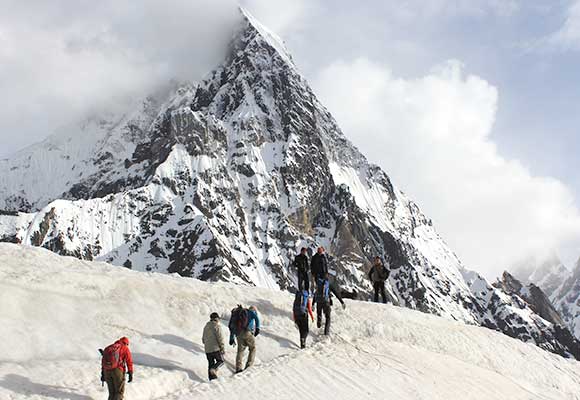
- Quality5
- Location5
- Amenities5
- Services5
- Price5
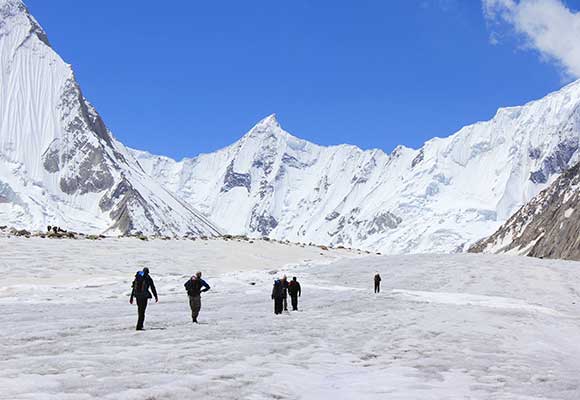
- Quality5
- Location5
- Amenities5
- Services5
- Price5
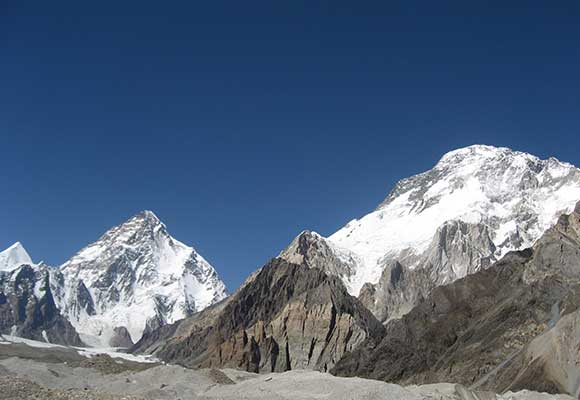
- Quality5
- Location5
- Amenities5
- Services5
- Price5
- Quality4.75
- Location4.75
- Amenities4.25
- Services5
- Price4.25
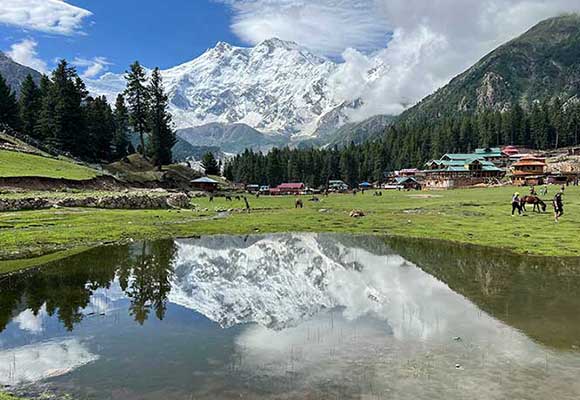
- Quality4.75
- Location4.75
- Amenities4.25
- Services5
- Price4.25
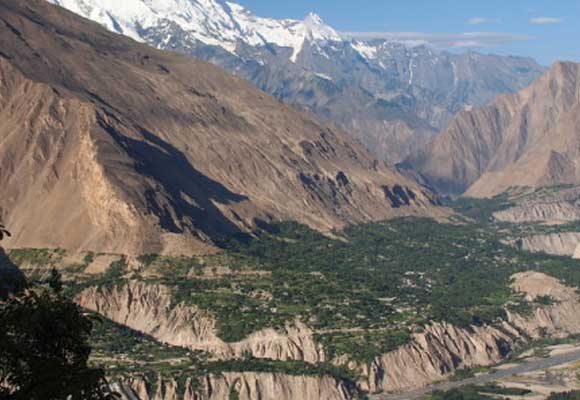
- Quality4.67
- Location4.67
- Amenities4
- Services5
- Price4
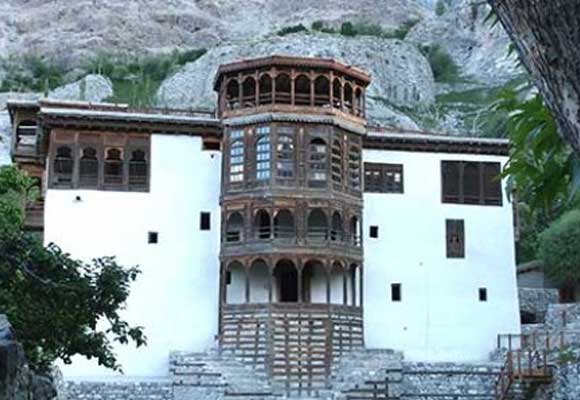
- Quality4.67
- Location4.67
- Amenities4
- Services5
- Price4
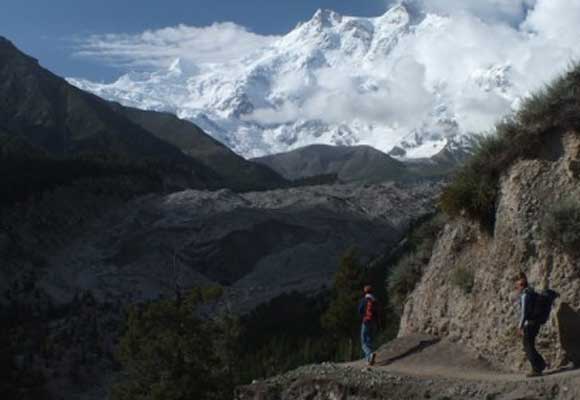
- Quality4.67
- Location4.67
- Amenities4
- Services5
- Price4
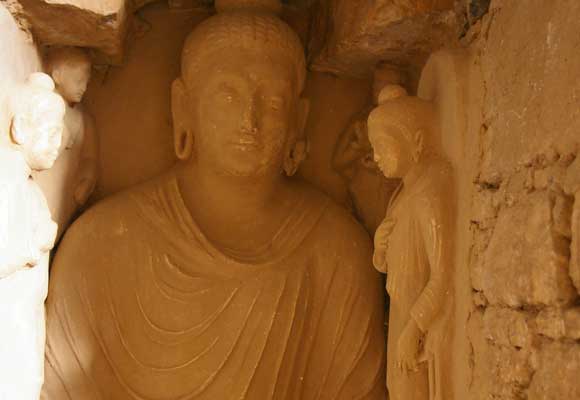
- Quality4.67
- Location4.67
- Amenities4
- Services5
- Price4
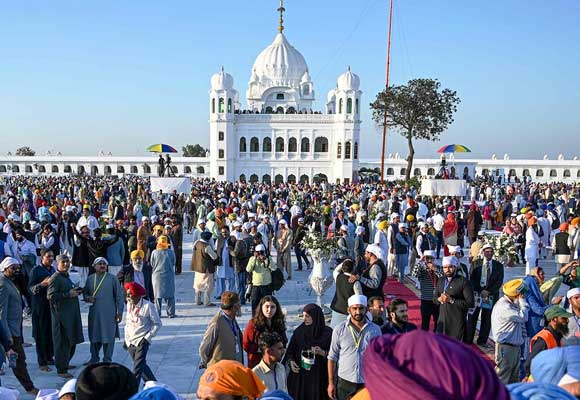
- Quality4.67
- Location4.67
- Amenities4
- Services5
- Price4
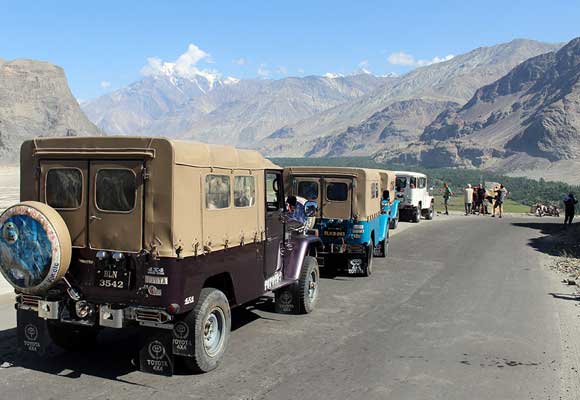
- Quality4.67
- Location4.67
- Amenities4
- Services5
- Price4
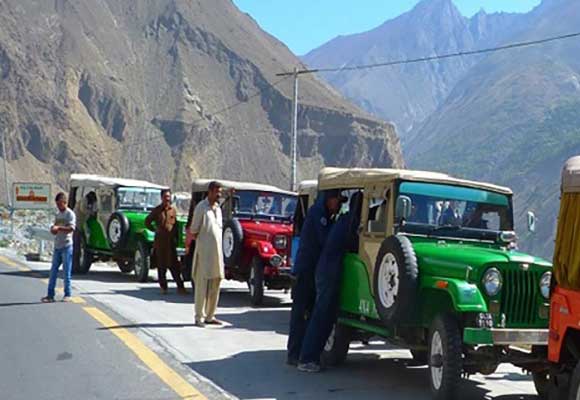
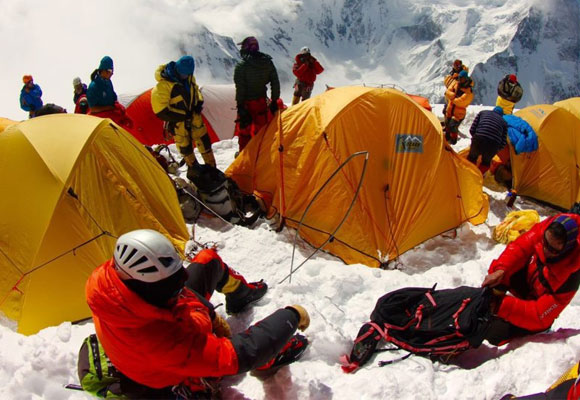
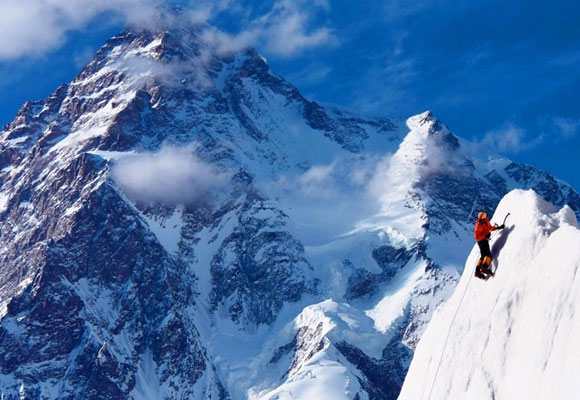
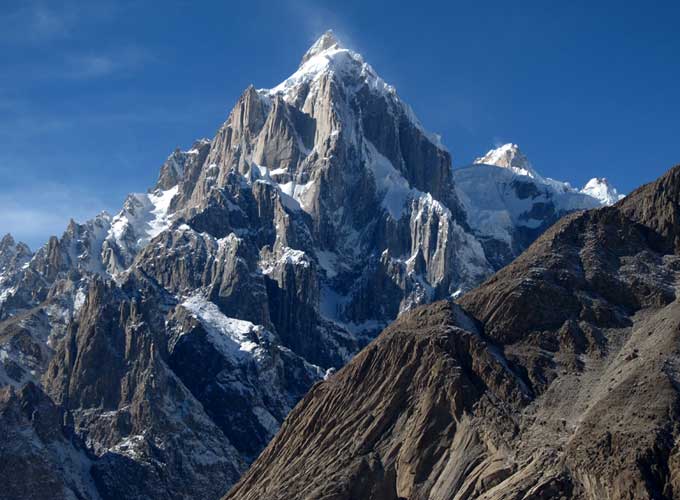
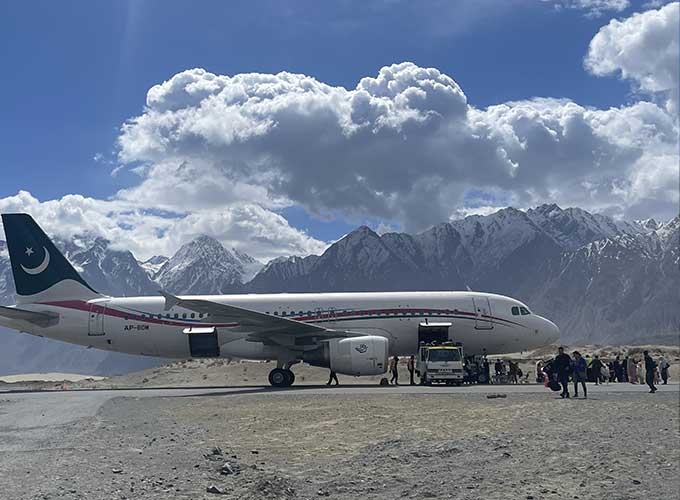
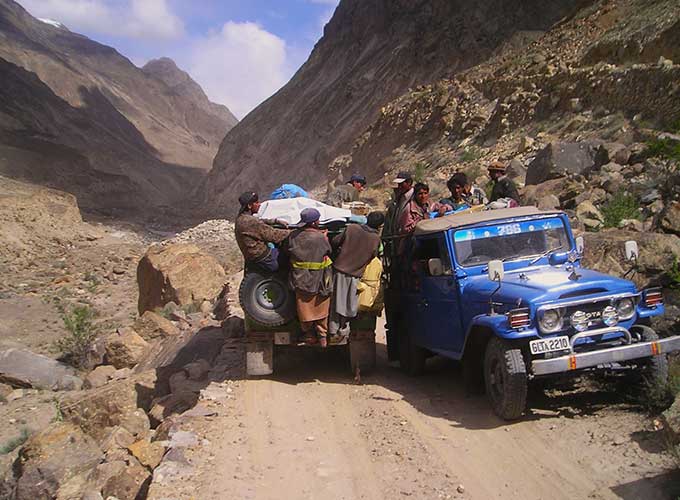
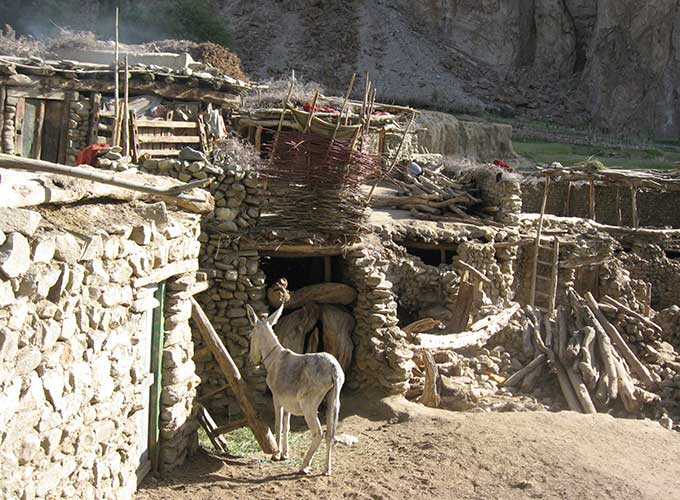
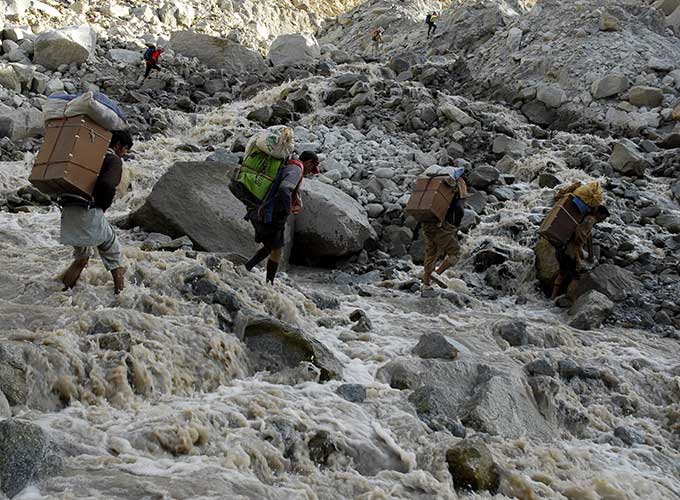
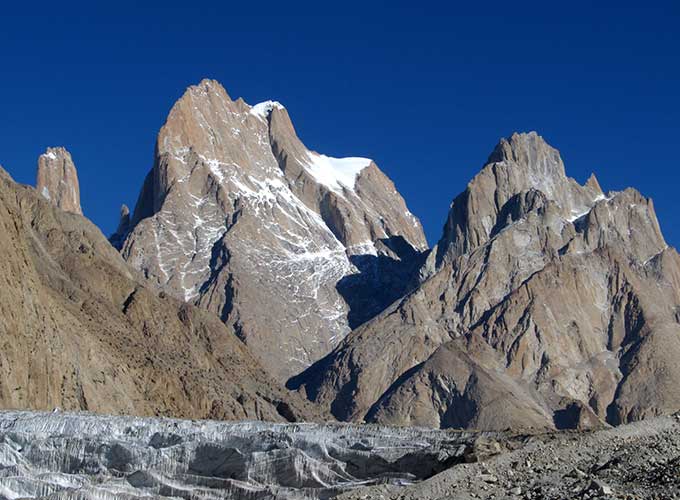
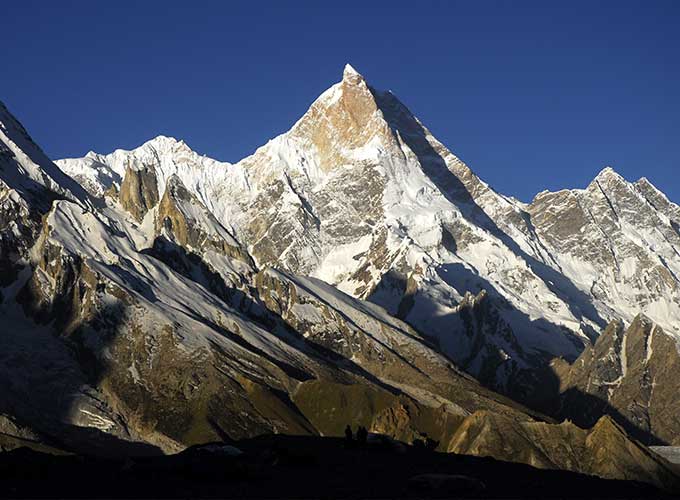
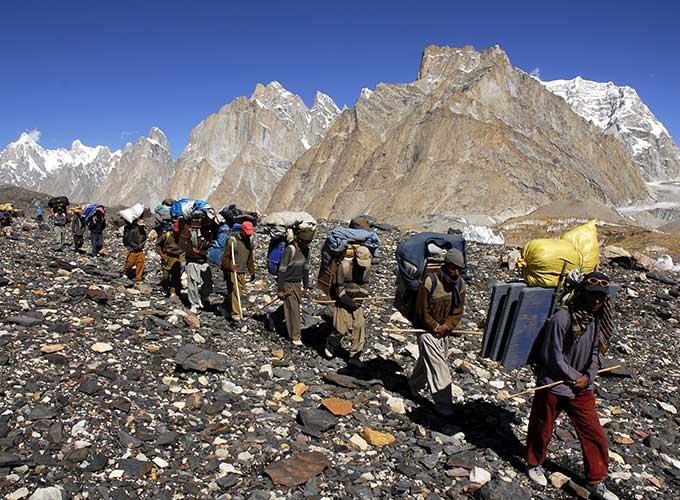
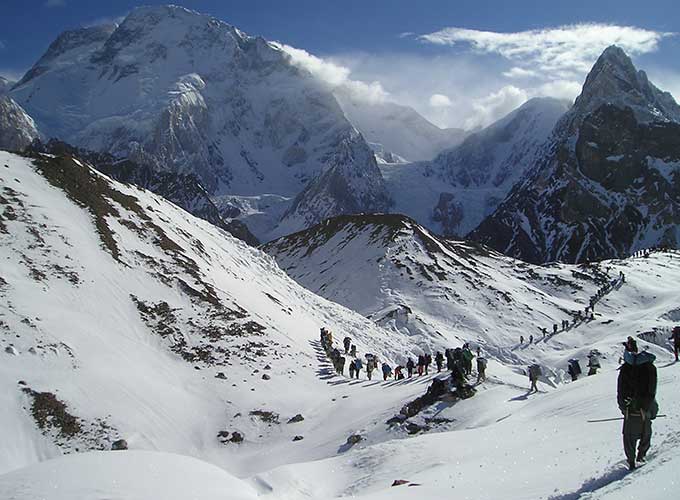
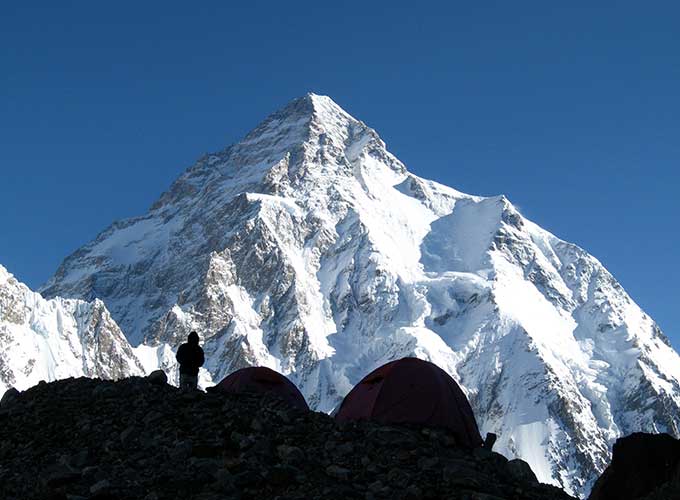
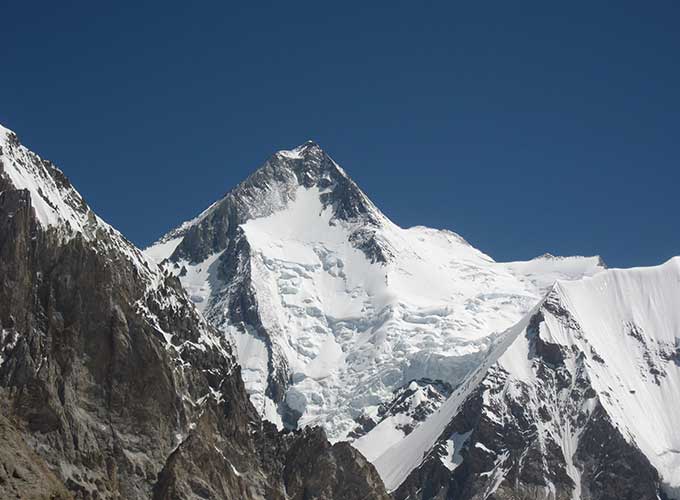
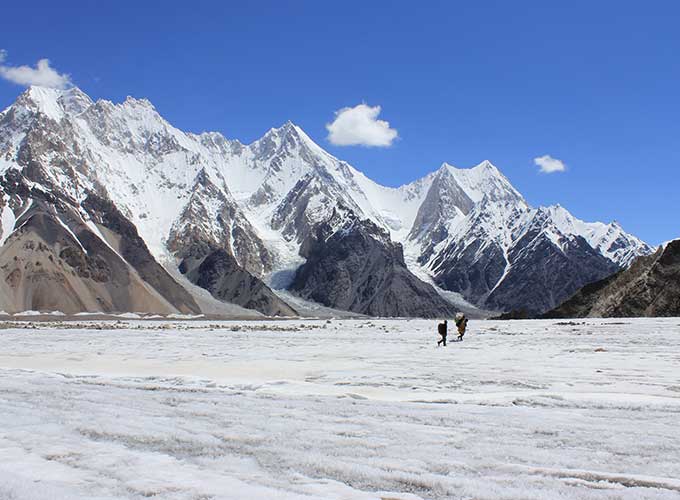
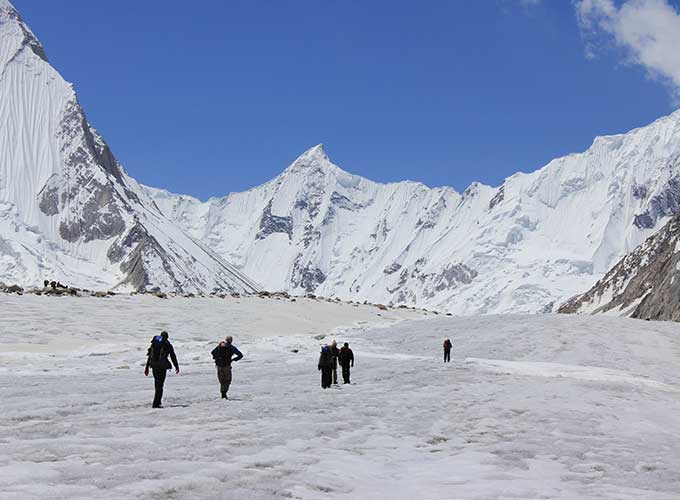
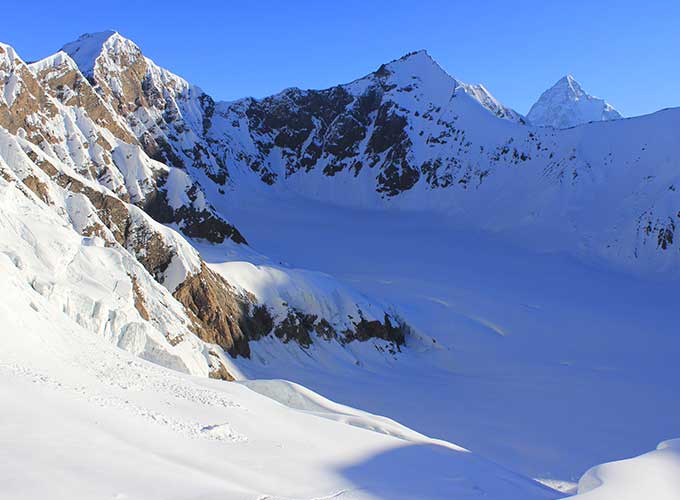
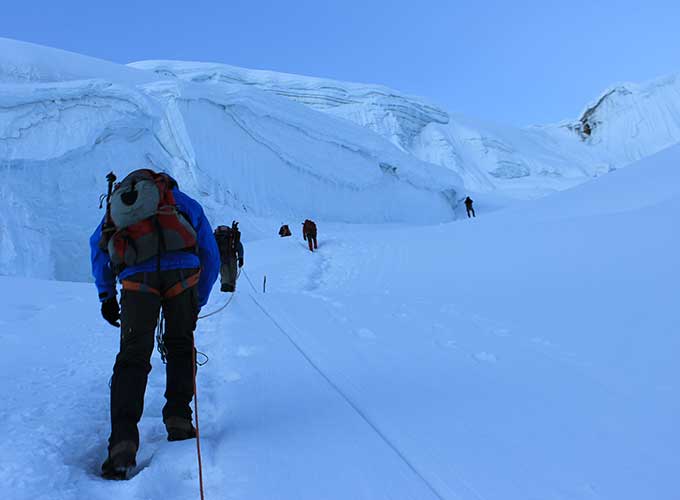
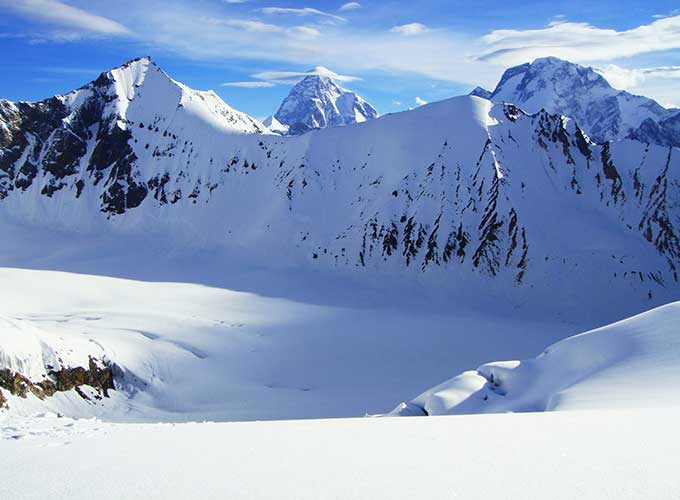
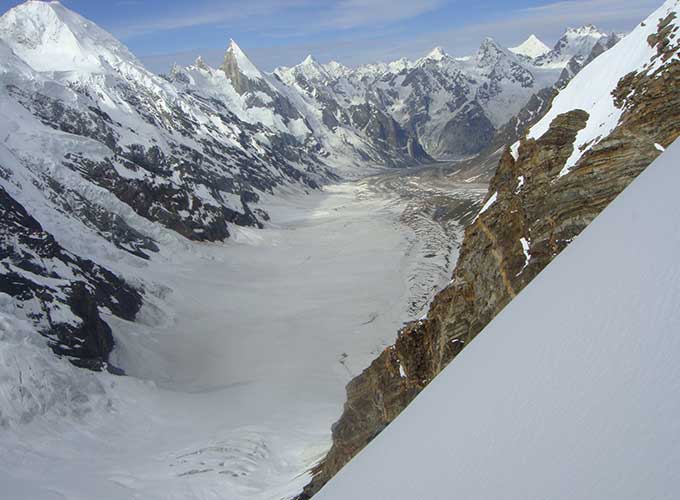
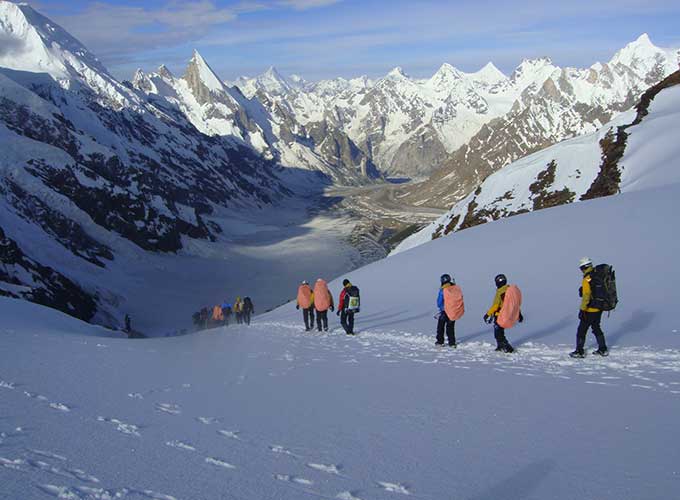
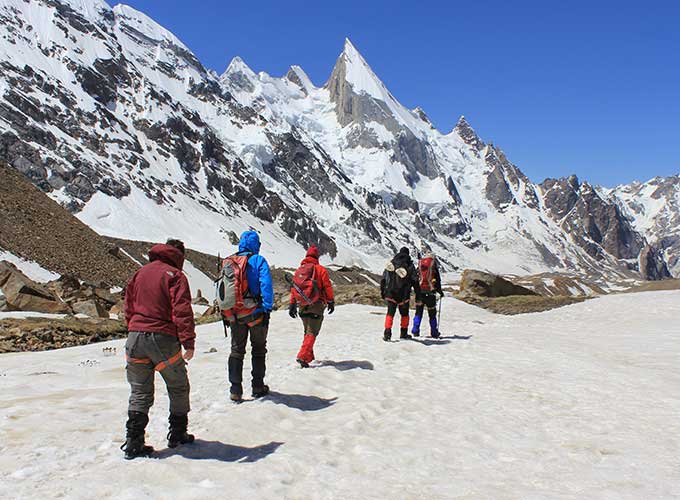
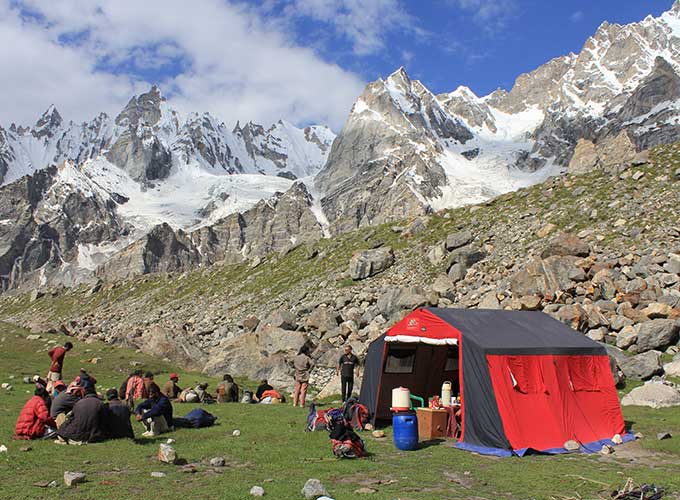
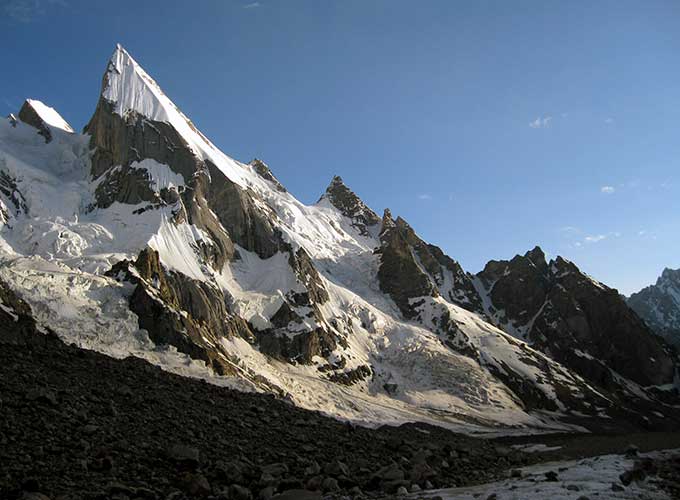
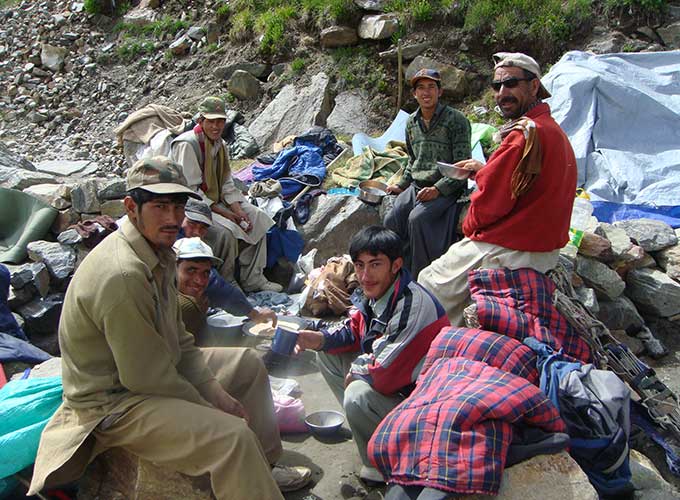
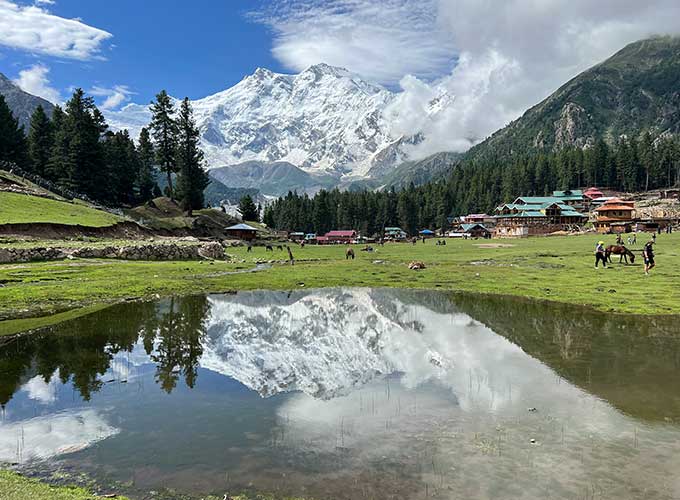
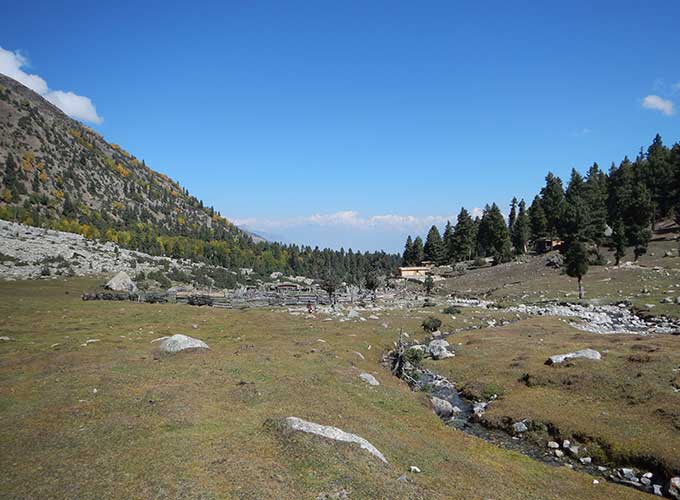
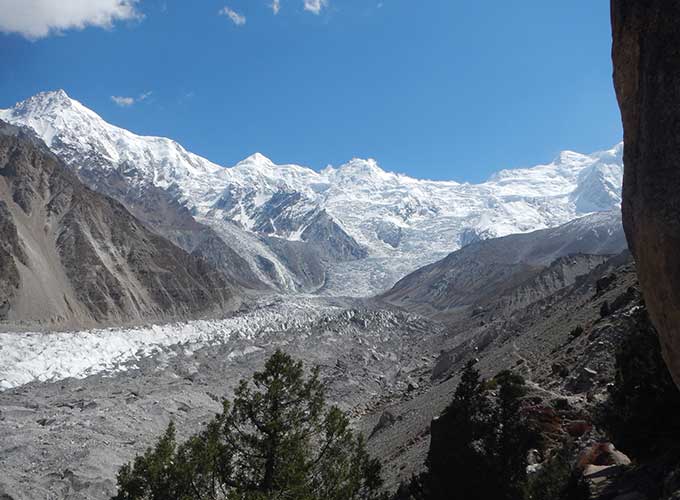
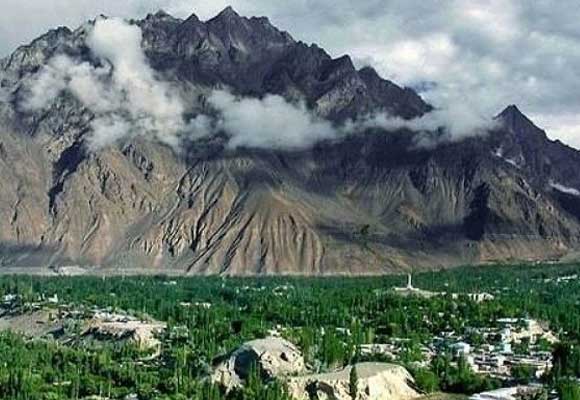
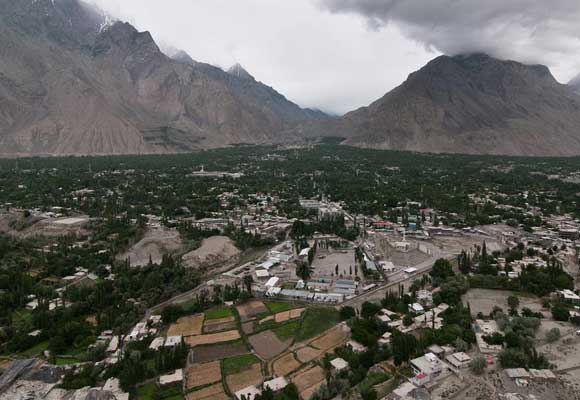
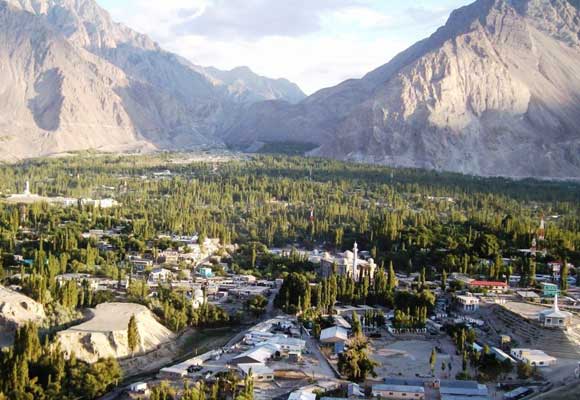
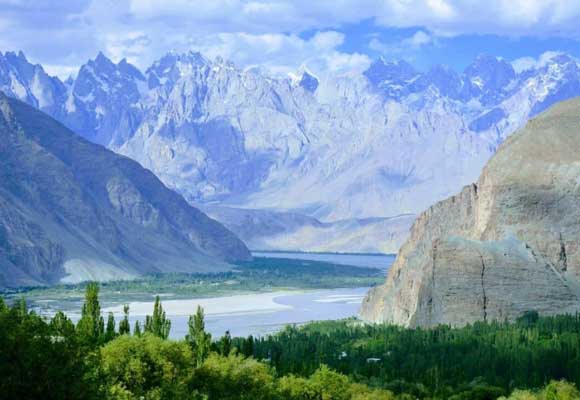
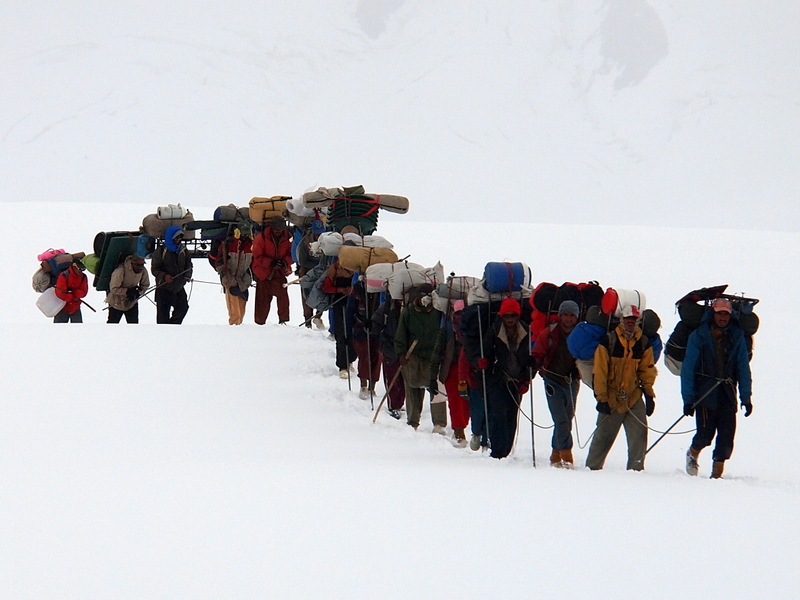
- Quality4.67
- Location4.67
- Amenities4
- Services5
- Price4